How to Build Your Shops in Australia: A Complete Guide
Constructing a commercial shop in Australia requires careful planning, adherence to regulations, and strategic execution. Whether establishing a small retail outlet or a larger commercial space, understanding the essential steps of shop construction is crucial to ensure success. This guide outlines the process from initial planning to final completion, offering practical advice for business owners looking to build their shops in Australia.
Understanding the Scope of Shop Construction
Shop construction involves more than just erecting a structure. It includes site selection, design considerations, obtaining permits, and ensuring compliance with Australian building standards. Every stage impacts the overall functionality, aesthetic appeal, and safety of the shop, which in turn affects customer experience and business performance.
Site Selection and Evaluation
The first step in shop construction is choosing an appropriate location. The site should align with the target market, accessibility, and surrounding infrastructure. Factors such as foot traffic, visibility, parking availability, and local competition play a significant role in the success of the shop. Additionally, environmental conditions and zoning regulations must be examined to confirm suitability for commercial use.
Designing Your Shop
Once a site is secured, designing the shop layout is paramount. Architects and designers are typically engaged to create plans that optimise space usage while incorporating brand identity and customer comfort. The design needs to consider functionality, including storage areas, customer flow, lighting, and accessibility. Moreover, compliance with the Disability Discrimination Act (DDA) ensures the shop is accessible to all customers.
Compliance and Building Permits
Commercial construction in Australia is governed by strict regulations. Prior to construction, it is important to apply for the necessary building permits through the local council. These permits verify that the design meets building codes, fire safety standards, and environmental guidelines. Failing to secure permits can result in costly fines or project delays.
Environmental and Sustainability Considerations
Modern shop construction increasingly focuses on sustainability. Using energy-efficient materials, incorporating natural lighting, and installing renewable energy systems contribute to reducing operating costs and environmental impact. Many local councils encourage or mandate certain sustainability measures in commercial buildings.
Choosing a Builder
Selecting a qualified builder is a critical decision. Experienced commercial builders familiar with shop construction can ensure the project meets quality and timeline expectations. Engaging professionals with a proven track record in the region is advisable. Businesses looking to Build Your Shops Australia often seek companies that provide comprehensive services, from design through to construction and finishing.
Budget Management
Budgeting is essential throughout the project lifecycle. Shop construction costs vary depending on design complexity, materials, labour expenses, and compliance requirements. Establishing a detailed budget and contingency fund helps prevent overspending. Transparent communication with builders and suppliers ensures cost control and value for money.
Construction Phase
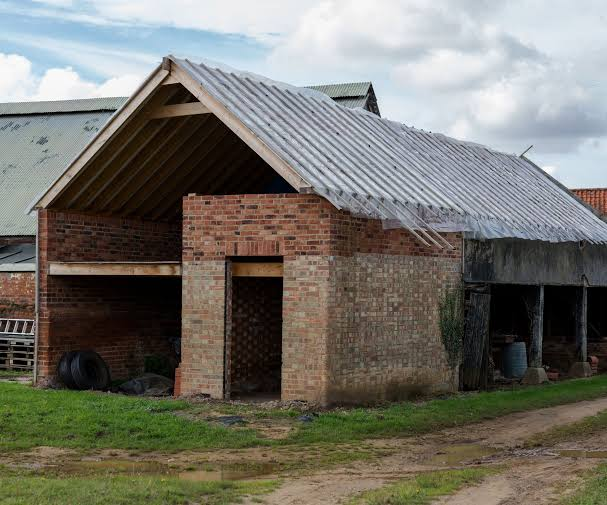
The construction phase begins once permits are approved and plans finalised. It includes groundwork, foundation laying, structural framing, installation of utilities, and internal works such as flooring and painting. Regular site inspections and progress reporting ensure the project stays on track in terms of quality and deadlines.
Health and Safety Standards
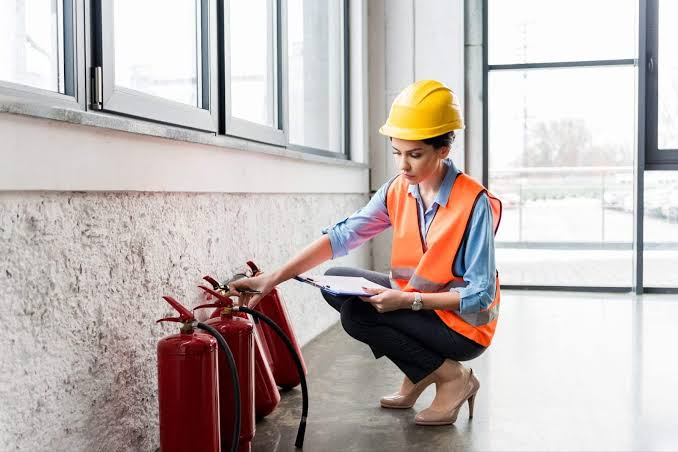
Maintaining health and safety on the construction site is mandatory. Builders must adhere to Occupational Health and Safety regulations to protect workers and the public. This covers the use of personal protective equipment, safe operation of machinery, and hazard management.
Post-Construction Requirements
After construction completes, the shop must undergo final inspections by local authorities. This confirms compliance with building codes and safety standards. Upon approval, an occupancy certificate is issued, allowing the shop to open for business.
Fitting Out the Shop
Fitting out involves installing fixtures, furniture, shelving, and signage. This stage is crucial for creating a welcoming retail environment that appeals to customers. Decisions around interior décor should align with the brand image and operational needs.
Marketing and Opening
With the shop ready, the focus shifts to marketing and launching operations. Local advertising, grand opening events, and digital marketing strategies contribute to attracting customers and establishing the shop’s presence in the community.
Maintaining Your Shop Facility
Ongoing maintenance of the shop premises is essential to preserve its condition and prolong its lifespan. Regular cleaning, repairs, and upgrades keep the shop safe and visually attractive. This maintenance also supports customer satisfaction by providing a comfortable shopping environment.
Benefits of Professional Shop Construction Services
Engaging professional services for shop construction offers numerous benefits, including expert project management, adherence to regulations, and efficient use of resources. Businesses aiming to Build Your Shops Australia can benefit from the specialised knowledge and experience that established construction firms provide.
Conclusion
Also read: Bridging the Gap Between Classroom Coding and Industry Expectations
Building a shop in Australia is a multifaceted process that requires thorough planning, knowledge of regulations, and collaboration with qualified professionals. From site selection to the final fit-out, every step must be managed carefully to ensure the shop is functional, compliant, and attractive to customers. By following this complete guide and utilising reliable construction services, businesses can successfully establish their retail presence and thrive in the competitive Australian market.