Energy-Saving Tips Every Homeowner Should Know
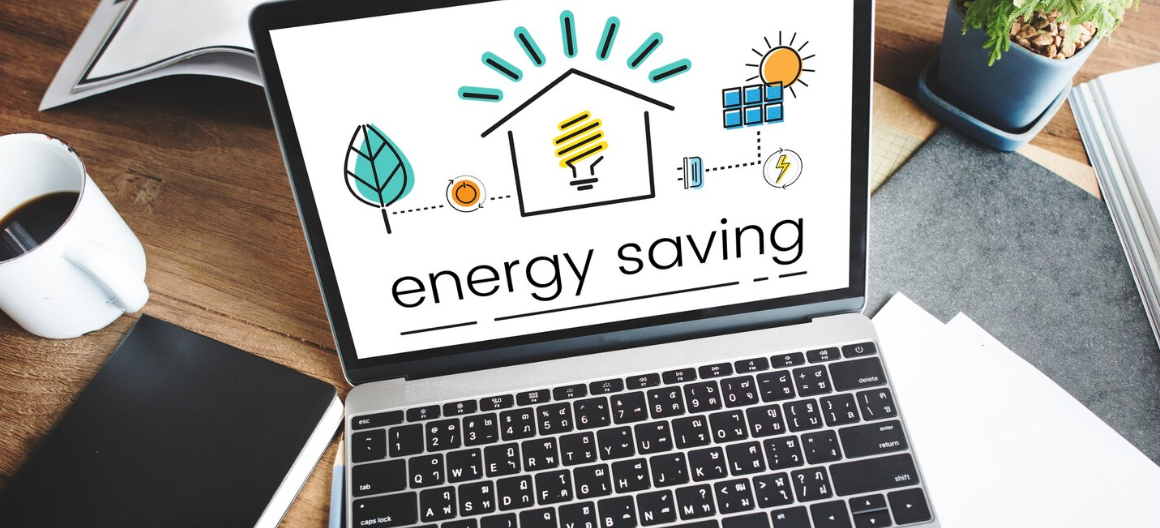
Cut your energy bill and lower your carbon footprint with simple, low-effort changes. No need for costly renovations—swap old light bulbs, seal window and door drafts, and see the savings add up. This guide breaks down the most impactful energy-saving tips, room by room, to help you start saving money and energy today.
Quick Wins You Can Do Today
Before tackling anything complex, start with the habits that cost nothing to change.
Unplugging electronics when they’re not in use is one of the easiest ways to eliminate “phantom load”—the energy your devices draw even when switched off. TVs, gaming consoles, phone chargers, and kitchen appliances are common culprits. Plugging them into a smart power strip makes this even easier, since you can cut power to multiple devices at once.
Adjusting your thermostat by just a few degrees can also make a noticeable difference. The U.S. Department of Energy recommends setting your thermostat to 68°F in winter while you’re home and lower when you’re asleep or away. In summer, 78°F is the sweet spot for balancing comfort and efficiency. These small tweaks can reduce heating and cooling costs by up to 10% per year.
Other quick wins include:
- Washing clothes in cold water — modern detergents are formulated to clean just as effectively without the hot cycle
- Running dishwashers and washing machines with full loads only
- Using lids on pots while cooking to retain heat and reduce cooking time
Efficient Lighting: LEDs and Natural Light
Lighting accounts for roughly 15% of a home’s electricity use. Switching to LED bulbs is one of the highest-impact upgrades you can make, and one of the cheapest.
LEDs use up to 75% less energy than traditional incandescent bulbs and last significantly longer—often 15 to 25 times longer, according to the U.S. Department of Energy. The upfront cost is slightly higher, but the long-term savings far outweigh it.
Beyond bulbs, rethinking how you use natural light can reduce your reliance on artificial lighting altogether. Keep curtains open during daylight hours, especially on south-facing windows in winter, where sunlight can also help warm your home passively. In summer, closing blinds on west- and south-facing windows during peak afternoon hours reduces heat gain and eases the load on your air conditioning.
Dimmer switches and motion sensors are also worth considering—they ensure lights are only running at full power when you actually need them.
Heating and Cooling: Your Biggest Energy Draw
Heating and cooling typically make up around 50% of a home’s total energy use, making your HVAC system the single most important area to address.
Start with regular maintenance. Replacing air filters every one to three months keeps your system running efficiently and prevents it from working harder than necessary. Scheduling an annual professional tune-up can also catch issues early before they turn into costly repairs.
Smart thermostats take efficiency a step further. Devices like the Google Nest or Ecobee learn your schedule and preferences over time, automatically adjusting temperatures to minimize waste. Many utility companies offer rebates for smart thermostat installation, so the net cost is often lower than the sticker price suggests.
If your HVAC system is more than 15 years old, it may be worth evaluating a replacement. Newer systems are significantly more energy-efficient, and the long-term savings often justify the upfront investment.
Insulation and Sealing: Stop Wasting Heat
A well-insulated home keeps warm air in during winter and hot air out during summer—reducing how hard your heating and cooling systems have to work.
Air leaks are a common problem in older homes. Check for drafts around doors, windows, electrical outlets, and where pipes or cables enter the home. Weatherstripping and caulk are inexpensive fixes that can make a real difference. For a more thorough assessment, a professional energy audit uses blower door tests and thermal imaging to pinpoint exactly where your home is losing conditioned air.
Attic insulation is another high-priority area. Heat rises, and if your attic is poorly insulated, you’re essentially heating the outdoors. The U.S. Department of Energy recommends R-38 to R-60 insulation for attics in most climate zones.
If your windows are old, single-pane, or noticeably drafty, window replacement in Utah is worth considering. Double- or triple-pane windows with low-emissivity coatings significantly reduce heat transfer, improving both comfort and efficiency. While it’s a larger investment, it pays off over time through lower energy bills and improved indoor comfort.
Energy-Efficient Appliances: What to Look For
When it’s time to replace a major appliance—refrigerator, dishwasher, washer, dryer—look for the ENERGY STAR label. This certification, backed by the U.S. Environmental Protection Agency, identifies products that meet strict energy efficiency standards without sacrificing performance.
ENERGY STAR certified appliances use anywhere from 10% to 50% less energy than standard models, depending on the product category. Over the lifespan of an appliance, those savings add up considerably.
A few things to keep in mind when shopping:
- Refrigerators: Look for models with the freezer on top or bottom—side-by-side configurations tend to be less efficient
- Washers: Front-loading machines generally use less water and energy than top-loaders
- Water heaters: Tankless (on-demand) water heaters only heat water when you need it, eliminating standby energy losses
Many states and utility providers also offer rebates for purchasing ENERGY STAR appliances, so check what’s available in your area before buying.
Renewable Options: Solar and Clean Energy Incentives
Solar panels have become increasingly affordable over the past decade, and for homeowners with suitable roof space and sun exposure, the return on investment has never been more compelling.
The federal Residential Clean Energy Credit currently allows homeowners to claim 30% of the cost of a solar installation as a tax credit. Many states offer additional incentives on top of that. Depending on your location and energy usage, solar panels can pay for themselves within seven to twelve years—and then continue generating free electricity for decades.
Not ready for solar panels? You can still opt into clean energy through your utility provider. Many companies offer green energy programs that supply your home with power from renewable sources like wind and solar, often for a small premium on your monthly bill.
Conclusion
Energy efficiency isn’t a one-time project—it’s an ongoing process of identifying where your home is underperforming and making targeted improvements over time. The strategies covered here range from zero-cost habit changes to longer-term investments like insulation upgrades and solar installation, and they’re all worth considering at the right stage of homeownership.