Buying a Barn Sight Unseen Is More Common Than You Think
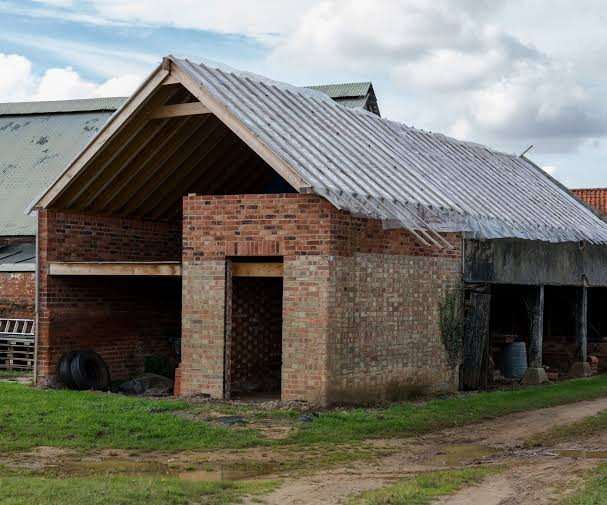
Buying a barn without visiting the builder’s lot first may sound unusual. Still, it is becoming a practical option for property owners who live far from manufacturing facilities or work with modular builders serving multiple states. The process differs from buying a used structure locally, but it doesn’t have to be uncertain.
With the right information, buyers can evaluate a builder, understand exactly what they are ordering, review the design before construction, and prepare the property for delivery. The key is knowing which questions to ask and which details to confirm before signing a contract.
Why Buyers Choose to Purchase Remotely
Distance is one of the biggest reasons a buyer may never visit a barn before placing an order. A reputable modular builder may serve a large geographic area, making it unnecessary for every customer to travel to a showroom or construction site.
Remote purchasing can also be more convenient for busy horse owners and rural property owners. Instead of arranging multiple trips, buyers can handle much of the planning through phone calls, digital documents, photographs, design software, and video meetings.
However, convenience should not mean skipping due diligence. A remote buyer needs enough documentation and communication to understand what will be delivered.
Start With a Detailed Design
A basic conversation about size and appearance is not enough for a major purchase. Before approving a design, ask the builder for detailed drawings or a digital model showing the proposed structure.
Many modular builders use 3D design tools that allow customers to see important features before construction begins. Depending on the builder, these tools may show:
- Overall building dimensions
- Stall placement and sizes
- Doors and windows
- Roof configuration
- Tack or storage areas
- Ventilation features
- Exterior finishes
- Interior partitions
- Electrical or lighting locations
A three-dimensional model can reveal practical issues that may not be obvious from a simple floor plan. For example, a door may technically fit but leave an inconvenient amount of space around a stall or equipment area.
Take time to review the design from both a horse-care and property-use perspective.
Read the Specification Sheet Carefully
A drawing shows how a barn is arranged, but the specification sheet explains what the structure is actually made of.
Before signing, request a written list of materials and construction details. Look for information about framing, roofing, siding, flooring, doors, windows, insulation, ventilation, and hardware.
It is also worth asking whether certain features shown in a sample design are standard or optional. A photograph of a completed barn may include upgrades that are not included in the base price.
A good specification sheet should make it easier to compare what you are ordering with what you expect to receive.
Understand How Factory Construction Works
One advantage of modular construction is that much of the building process can take place in a controlled manufacturing environment. Components can be measured, cut, assembled, and inspected before they reach the property.
This approach can make remote purchasing more manageable because the structure is not designed from scratch at the delivery site. Buyers can approve the plans and specifications before construction progresses.
For customers researching barns built and delivered, it is especially important to understand what happens at the factory and what work remains after transportation. Ask whether the structure arrives fully assembled, in sections, or as a combination of prefabricated components.
Also confirm who handles unloading, final assembly, site preparation, and any required finishing work. These responsibilities can vary considerably between builders.
Ask for References You Can Actually Contact
When you cannot visit a builder personally, customer references become particularly useful.
Ask whether the company can provide references from customers who purchased similar structures. Ideally, look for examples involving comparable building sizes, climates, property conditions, or intended uses.
When speaking with a reference, ask practical questions rather than simply asking whether they liked the finished barn.
For example:
- Was communication consistent throughout the project?
- Did the finished structure match the approved plans?
- Were there unexpected costs?
- How was the delivery process handled?
- Were site-preparation requirements explained clearly?
- How did the builder respond when questions or changes came up?
A few detailed conversations can reveal more than a gallery of polished project photographs.
Verify the Builder Before Signing
A remote purchase requires a little extra research because you may never see the builder’s operation in person.
Before committing, verify basic business information and request documentation where appropriate. Depending on the project and location, this may include licensing, insurance, warranties, references, and examples of completed work.
You should also understand the contract.
Pay particular attention to:
- Deposit requirements
- Payment schedule
- Cancellation terms
- Change-order procedures
- Estimated construction timeline
- Delivery responsibilities
- Site requirements
- Warranty coverage
- What happens if weather or transportation causes delays
Do not rely solely on verbal explanations. Important terms should appear in writing.
Out-of-State Buyers Need Regional Experience
Buying from a builder located in another state is not necessarily a problem. In fact, many modular builders regularly deliver structures across state lines.
The more important question is whether the builder has experience delivering to your region and understands the practical requirements involved.
For example, a company that frequently works with modular barns for Ohio horse owners may already be familiar with the transportation, weather considerations, site conditions, and customer expectations associated with that market.
Ask how often the builder delivers to your area. You can also request examples of nearby projects or customer references in your state.
Regional experience can make communication easier because the builder is more likely to understand common property conditions and logistical challenges.
Do Not Forget Site Preparation
One of the biggest mistakes remote buyers make is focusing entirely on the barn itself while overlooking the property where it will be installed.
Before construction or delivery, determine what the site needs. Depending on the structure and location, preparation may involve grading, drainage, a suitable foundation or base, driveway access, utility planning, and adequate clearance for delivery equipment.
Ask the builder for written site requirements.
You should also confirm the dimensions of the delivery route. A barn may fit perfectly on paper but still present a logistical challenge if trucks or equipment cannot safely reach the installation area.
Use Video Calls to Review the Details
A video meeting can be surprisingly useful when you cannot visit in person.
Ask the builder to walk through the plans on screen and explain features you do not understand. If possible, request a virtual tour of the manufacturing facility or a completed project.
You can also use photographs and videos to document questions during the process. Keeping communication organized helps reduce misunderstandings, especially when a project includes custom features.
Do not hesitate to ask the same question twice if an important detail remains unclear.
Common Mistakes to Avoid
Remote barn purchases become much easier when buyers avoid a few common mistakes.
Choosing based only on price: A lower initial quote may exclude important features, delivery costs, site work, or upgrades.
Approving a vague design: Dimensions, doors, stalls, windows, and other major features should be clearly documented.
Ignoring transportation: Confirm how the structure will be delivered to the property and who is responsible for each stage.
Skipping references: Speaking with previous customers can provide valuable insight into the actual buying experience.
Rushing the contract: Take time to understand payment terms, warranties, delivery responsibilities, and change policies.
A Remote Purchase Can Still Be a Confident Purchase
You do not necessarily need to walk through a builder’s lot to make an informed barn-buying decision. What matters is having access to detailed plans, clear specifications, credible references, transparent pricing, and a well-defined delivery process.
A careful buyer should treat the project like any significant property investment: verify the details, ask questions, document agreements, and understand what happens from the first design meeting through final delivery.
With that groundwork in place, buying a barn sight unseen can be less about taking a leap of faith and more about making a well-researched decision from a distance.