Electric Aircraft Maintenance Tips Every Owner Should Follow
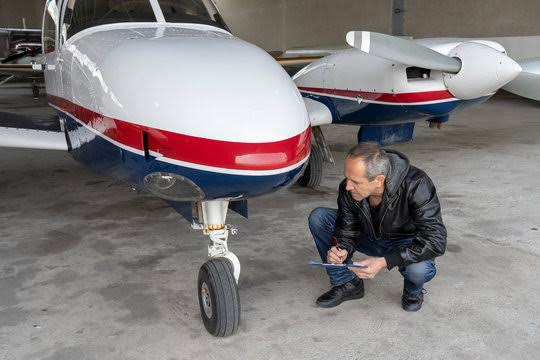
Electric aircraft are still a relatively new presence in general aviation, which means many owners are navigating maintenance routines that look quite different from what they learned on traditional combustion-powered planes. Battery systems, electric motors, and specialized charging infrastructure all introduce new considerations that don’t map neatly onto decades-old maintenance habits. The fundamentals of good aircraft care still apply, but electric ownership comes with its own learning curve. Here’s what every electric aircraft owner should keep in mind to stay safe and keep their aircraft performing reliably.
Understand Your Battery System Thoroughly
The battery pack is the heart of an electric aircraft, and understanding how it behaves is essential to responsible ownership. Unlike a fuel tank, batteries degrade gradually over time and with repeated charge cycles, which means performance today won’t necessarily match performance a year from now. Pay close attention to manufacturer guidance on charge cycles, depth of discharge, and storage recommendations, since poor habits here can shorten battery life significantly faster than expected. Many owners benefit from tracking battery health metrics over time rather than waiting for a noticeable drop in range or performance. Treating the battery as a monitored system rather than a simple power source goes a long way toward avoiding unpleasant surprises in the air.
Follow Manufacturer Charging Protocols Precisely
Charging an electric aircraft isn’t quite as simple as plugging in and walking away, especially given how much battery longevity depends on proper charging habits. Manufacturers typically provide specific guidance on charging speed, optimal charge levels for storage versus flight readiness, and temperature considerations during charging. Deviating from these protocols, even with good intentions, can accelerate wear on the battery system or create safety risks that aren’t always obvious in the moment. Investing in proper charging infrastructure, rather than relying on makeshift setups, also protects both the aircraft and the people maintaining it. Consistency here matters just as much as it does with any other critical aircraft system.
Monitor Electric Motor and Cooling Systems
Electric motors operate very differently from combustion engines, with far fewer moving parts but their own set of maintenance priorities. Cooling systems deserve particular attention, since electric motors and battery packs generate heat that needs to be managed effectively to avoid performance issues or long-term damage. Regularly inspect cooling components for debris, wear, or reduced efficiency, and don’t assume that fewer moving parts means less maintenance is needed overall. Electrical connections throughout the motor system should also be checked periodically for corrosion or looseness, since these issues can be harder to spot than the more obvious wear patterns owners are used to looking for on traditional engines.
Keep Up With Rapidly Evolving Standards
Because electric aviation technology is still maturing quickly, maintenance standards and best practices continue to evolve at a faster pace than in more established categories of aircraft. Staying current matters more here than it might for a decades-old aircraft design with a long, stable maintenance history. Owners researching newer aircraft options often spend time reviewing detailed eVTOL tech specifications to understand how emerging designs differ in battery configuration, motor layout, and recommended service intervals. Even owners who aren’t considering a new aircraft benefit from staying informed about broader industry developments, since updated guidance or newly identified best practices can directly affect how existing aircraft should be maintained going forward.
Work With Mechanics Who Specialize in Electric Systems
Not every mechanic has deep experience with electric aircraft, and that gap can matter more than owners might expect. Electric propulsion and battery systems require specialized knowledge that differs significantly from traditional powerplant maintenance, so finding a mechanic or service center with genuine electric aviation experience is worth the extra effort. A mechanic unfamiliar with these systems might miss subtle warning signs or apply troubleshooting approaches better suited to combustion engines. Building a relationship with a specialist who understands your specific aircraft’s electrical architecture pays off over time, both in catching issues early and in receiving maintenance advice that’s actually relevant to how your aircraft operates.
Final Thoughts
Maintaining an electric aircraft requires a slightly different mindset than owners coming from traditional aviation backgrounds might expect, with battery health, charging discipline, and specialized expertise all playing a bigger role than before. Staying attentive to these details, rather than assuming familiar maintenance habits will transfer directly, helps protect both performance and safety. As electric aviation technology continues to mature, owners who stay informed and proactive will be best positioned to get the most out of their aircraft for years to come.