Do Mushroom Chocolate Bars Taste Like Mushrooms?
If you’ve been curious about trying a mushroom chocolate bar but hesitant because you’re picturing the taste of a portobello burger wrapped in cocoa—relax. The reality is far more pleasant than that mental image suggests.
Mushroom chocolate bars have surged in popularity over the past few years, finding their way into health food stores, wellness blogs, and social media feeds. And with that rise comes a very reasonable question: do they actually taste like mushrooms? The short answer is usually no. But the longer answer is more interesting, and worth knowing before you take your first bite.
What’s Actually in a Mushroom Chocolate Bar?
The term “mushroom chocolate bar” covers a surprisingly broad range of products. Some are made with functional mushrooms—like lion’s mane, reishi, or chaga—which are prized for their potential health benefits. Others contain psilocybin mushrooms, which are psychoactive and legal only in certain regions.
Both types follow a similar production process: mushroom extract or powder is blended into chocolate during manufacturing. The chocolate itself—whether dark, milk, or white—acts as the dominant flavor carrier. By the time the product hits shelves, the earthy, sometimes bitter notes of the mushroom have largely been absorbed into the broader flavor profile of the bar.
So, Why Don’t They Taste Earthy?
A few reasons.
The mushroom content is relatively small. Most bars contain anywhere from 500mg to 2,000mg of mushroom extract per serving. Compared to the volume of chocolate in the bar, that’s a fairly small amount. The flavor impact is correspondingly mild.
Extraction changes the taste. The mushrooms used in these products are typically processed into concentrated extracts or fine powders. This process strips away a lot of the raw, fresh mushroom flavor, leaving behind more of the functional compounds (like beta-glucans or psilocybin) without the pungent taste you’d get from eating a whole mushroom.
Chocolate is a powerful flavor masker. Dark chocolate especially has bold, complex flavor notes—roasted, slightly bitter, sometimes fruity—that can overshadow subtle additions. Mushroom powder doesn’t really stand a chance against a high-quality 70% cacao bar.
What Do They Actually Taste Like?
This depends largely on the type of chocolate used as the base.
Dark chocolate bases tend to taste rich and slightly bitter, with earthy undertones that can blend seamlessly with mushroom extracts. If anything, the mushroom content can enhance the natural earthiness of dark chocolate, making it taste more complex and robust.
Milk chocolate bases are sweeter and creamier. Any mushroom flavor is even less detectable here. These bars tend to taste closest to a conventional chocolate bar.
White chocolate bases are the sweetest of the three. Because white chocolate lacks the roasted cocoa flavor of its counterparts, there’s a slightly higher chance you might notice a faint earthy or herbal note. That said, most manufacturers account for this and adjust their formulations accordingly.
There’s also some variation depending on the specific mushroom used. Reishi has a naturally bitter profile that can slightly affect the chocolate’s finish. Lion’s mane and chaga, on the other hand, are much more neutral and are unlikely to alter the flavor noticeably.
Does the Quality of the Bar Matter?
Absolutely. A poorly made mushroom chocolate bar can have a chalky texture, waxy mouthfeel, or an odd aftertaste that has little to do with the mushrooms and everything to do with low-quality chocolate. Higher-quality bars use better cacao, smoother emulsification, and more refined extraction processes—all of which lead to a more enjoyable eating experience.
When evaluating a mushroom chocolate bar, look at the ingredient list. Good bars keep it simple: chocolate, mushroom extract, and a short list of other ingredients. If the list is long and hard to read, that’s often a sign that the product is relying on additives to compensate for lower quality components.
What About the Texture?
Texture is another area where mushroom chocolate bars often surprise first-timers. Because the mushroom content is finely ground before being incorporated, there’s typically no graininess or unusual mouthfeel. A well-made bar should snap cleanly, melt smoothly, and feel nearly identical to regular chocolate.
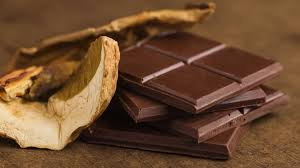
Some bars include whole or roughly chopped dried mushroom pieces as a visual or textural element—these are the exception, not the rule. If you spot visible mushroom fragments in a bar, expect a more pronounced earthy flavor and a chewier bite.
Should You Try One?
If you enjoy chocolate and you’re curious about functional ingredients, a mushroom chocolate bar is one of the more approachable ways to explore them. The flavor barrier is much lower than most people expect, and the format makes dosing easy and consistent.
For those interested in psilocybin-infused bars, it’s worth noting that taste and effect are entirely separate considerations. Legal and safety research into psilocybin is ongoing, and regulations vary significantly by location. If that’s what you’re exploring, make sure you’re informed about the legal status in your area.
The Bottom Line
Mushroom chocolate bars taste like chocolate. For the vast majority of products on the market, the mushroom component plays a supporting role—subtle, sometimes adding depth, but never taking center stage. The combination works because chocolate and earthy, umami-forward ingredients have a natural affinity for each other.
First-time buyers are almost always surprised by how normal they taste. Which, honestly, is probably the best possible outcome.