Modern Dining Room Trends for 2026: Transforming Your Space with Style and Functionality
Key Takeaways
- Moody, nature-inspired color palettes infuse intimacy and drama into dining rooms.
- Sculptural lighting acts as both art and illumination.
- Natural materials and tactile finishes bring warmth and authenticity to the space.
- Flexible layouts let dining rooms serve multiple functions throughout the day.
- Personal touches through art and decor create a unique and welcoming environment.
- Curved, organic furniture softens the overall look and invites relaxation.
- Sustainable choices reflect eco-conscious values and enhance character.
As trends in interior design move into 2026, dining rooms are emerging as versatile, stylish hubs that feel both inviting and contemporary. Homeowners want to create spaces that balance eye-catching design with the comfort and practicality needed for daily living. If you plan to reimagine your dining area, whether for daily meals or lively gatherings, integrating these latest concepts will ensure a space that delights your senses and adapts to your needs. Consider incorporating an Amish-made dining table for Oklahoma kitchens and dining spaces to anchor your modern dining room with timeless craftsmanship. Multifunctional spaces have become essential as dining rooms frequently double as home offices, study zones, or spots to relax with a book. Contemporary aesthetics prioritize moody color palettes, organic textures, and flexible configurations. These elements help shape interiors into areas that reflect your lifestyle and foster community, comfort, and creativity.
Moody Color Palettes
Designers are turning to nature for inspiration, with rich shades like moss green, inky blue, and smoky plum dominating the dining room landscape for 2026. These colors wrap the room in a sense of intimacy, making even a formal dining space feel cozy and approachable. Pairing these hues with muted earth tones or creamy neutrals can achieve a perfect balance between drama and serenity, ideal for gatherings or everyday family dinners.
Sculptural Lighting Fixtures
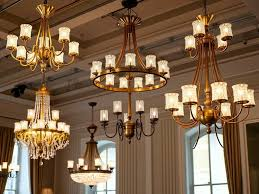
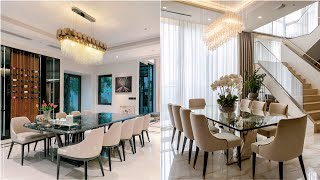
Modern lighting goes well beyond functionality. Statement chandeliers and bold pendant lights are now essential design features, acting as art installations that draw the eye and help define the room’s mood. Layering bright focal lights with dimmable accent lighting allows you to shift the atmosphere from energetic brunches to a soft-lit evening ambiance. Choosing organic shapes or handcrafted fixtures can inject personality and style, setting your dining area apart from the ordinary.
Natural Materials and Textures
Natural elements offer both visual and tactile appeal, grounding modern dining rooms in warmth and authenticity. Expect to see plenty of exposed wood, veined marble, and textured wall coverings like linen or grasscloth. These materials provide a welcome antidote to overly sleek interiors, creating a layered look that feels curated rather than mass-produced. Mixing in rattan chairs, cork-front cabinets, or even a touch of reclaimed brick can help your dining room feel uniquely personal.
Flexible Layouts and Multifunctional Spaces
Today’s dining rooms are true chameleons, shifting function based on changing daily needs. Designers recommend zones within the room for different activities, such as adding a built-in bar nook, a tucked-away homework station, or a quiet reading chair in a sunlit corner. Choosing extendable tables and stackable chairs makes it easy to reconfigure your layout in minutes, ensuring the space supports both festive dinners and quiet afternoons. As more people work and entertain from home, this adaptability is becoming indispensable.
Personalized Art and Decor
Dining rooms offer ideal opportunities to showcase meaningful art and treasures. Oversized paintings, bold framed prints, or thoughtfully curated gallery walls provide instant character and become talking points for guests. Incorporating heirlooms, artisan ceramics, or handwoven rugs makes the space feel lived-in and loved. Handmade or vintage pieces, such as pottery or antique mirrors, infuse even the most modern dining rooms with a sense of history and individuality.
Curved and Organic Furniture
Stark lines and geometric shapes are taking a back seat to softer, more organic silhouettes. Oval dining tables, sculptural sideboards, and curved-back chairs create a sense of gentle movement, making the area feel more relaxed. These shapes invite people to linger, encouraging conversation and comfort. Upholstered cushions in plush fabrics add another layer of softness, establishing an inviting atmosphere in even the most formal settings.
Emphasis on Sustainability
Rising awareness of environmental impact is informing the choices homeowners make for their dining rooms. Eco-friendly options like reclaimed wood, bamboo tables, and low-VOC finishes are not only durable but also imbue the space with a story and a sense of purpose. Local artisans and heritage makers add value, offering furniture and decor that blend sustainability with style. These choices reflect a commitment to mindful living and a healthier planet, all while ensuring your dining room stands out for its unique character.
Conclusion
Bringing together moody color palettes, statement lighting, natural materials, multifaceted layouts, personalized decor, curved furniture, and sustainable choices will help you design a dining room that reflects your aesthetic vision and meets your daily needs. With thoughtful updates, your dining space can become more than just a place to eat. It can serve as the heart of your home, perfectly ready for 2026 and beyond.