Enhance Property Protection Through NFPA Compliant Fire Watch Solutions
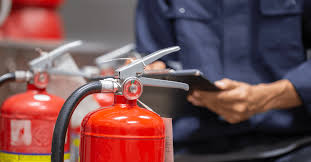
Property loss rarely begins with visible flames. Early warning signs often appear first. A warm electrical panel raises concern. An unusual odor signals possible trouble. During equipment outages, those signals matter more. Building managers cannot depend on inactive systems. Human observation fills that temporary gap. For this reason, fire watch guards new york services remain valuable during vulnerable periods. Their presence helps maintain awareness while critical protection equipment remains unavailable.
Why does NFPA-compliant monitoring strengthen protection?
Safety requirements exist because emergencies develop quickly. Once detection equipment becomes unavailable, risk exposure changes immediately. Occupants may never notice developing hazards. Trained personnel look for those warning indicators.
While conducting patrols, they examine corridors, utility areas, and access routes. Their observations create an active layer of oversight. When a concern appears, action begins without delay. That attention helps reduce preventable incidents across occupied properties.
Small hazards often create larger consequences
Most serious events start with minor issues. A blocked exit may appear harmless. Exposed wiring may seem insignificant. However, conditions can worsen unexpectedly.
Consider common examples found during inspections:
- Storage items restricting escape routes
- Extension cords showing visible damage
- Heat sources near combustible materials
- Unsecured equipment within renovation zones
Individually, each condition appears manageable. Together, those factors increase exposure considerably. Early identification prevents unnecessary escalation.
What makes professional fire watch personnel effective?
Experience influences decision-making every day. A trained guard notices subtle changes. They recognize patterns requiring attention. Their judgment develops through practical exposure.
Documentation plays an important role as well.
- Patrol records establish accountability
- Incident reports preserve important details
- Inspection notes assist future reviews
In larger facilities, fire watch guards new york teams often communicate directly with site leadership. That coordination improves response readiness whenever concerns arise.
Key functions that protect occupied properties
Effective monitoring extends beyond simple walkthroughs. Every patrol serves a specific purpose. Personnel evaluate surroundings continuously. Conditions receive ongoing assessment throughout assigned shifts.
Their responsibilities often include:
- Checking emergency exits
- Reviewing restricted areas
- Reporting unsafe conditions
- Monitoring temporary work activity
- Verifying evacuation access
Construction environments highlight this need clearly. Sparks, tools, and temporary power sources create changing circumstances. Without active observation, developing concerns may remain unnoticed for extended periods.
Can fire watch coverage help limit financial loss?
Property owners often focus on immediate safety needs. Financial considerations deserve attention too. Damage repair costs accumulate quickly after incidents. Business interruption creates additional challenges.
Reliable monitoring contributes valuable protection through:
- Stronger compliance efforts
- Better incident documentation
- Reduced operational disruption
Insurance reviews frequently examine available records. Detailed patrol logs demonstrate responsible oversight. Those records provide useful evidence when questions arise following unexpected events.
Attentive observation remains a critical safeguard
Technology provides valuable protection every day. Yet equipment cannot replace human awareness completely. A trained observer notices conditions requiring closer attention. They recognize changing circumstances before larger problems develop.
One overheated electrical cabinet may seem insignificant initially. Hours later, that same issue could create extensive damage. This reality explains why active monitoring remains important during equipment outages. When automated systems become unavailable, informed observation provides protection that technology alone cannot deliver.
FAQs
When is fire watch coverage required?
Coverage becomes necessary when critical safety equipment remains unavailable. Requirements vary according to site conditions and local regulations.
Do guards replace fire suppression systems?
No. Personnel provide temporary oversight during impairment periods. Permanent safety equipment remains essential for long-term protection.
Which locations benefit from fire watch services?
Commercial facilities, residential communities, warehouses, and construction sites often require temporary monitoring arrangements.
Why are patrol logs important?
Written records document observations, actions, and identified concerns. Those details help during inspections and incident reviews.
What should property managers expect?
They should expect routine patrols, detailed reporting, hazard identification, and clear communication throughout assigned coverage periods.
Protection depends on noticing what others miss
A blocked stairwell, damaged wiring connection, or unattended heat source rarely attracts immediate attention. Yet those conditions can change outcomes quickly. Effective fire watch coverage succeeds because trained personnel focus on details others may overlook. During system outages, that awareness becomes one of the most valuable protective measures available.