Comprehensive Overview of Material Testing Services
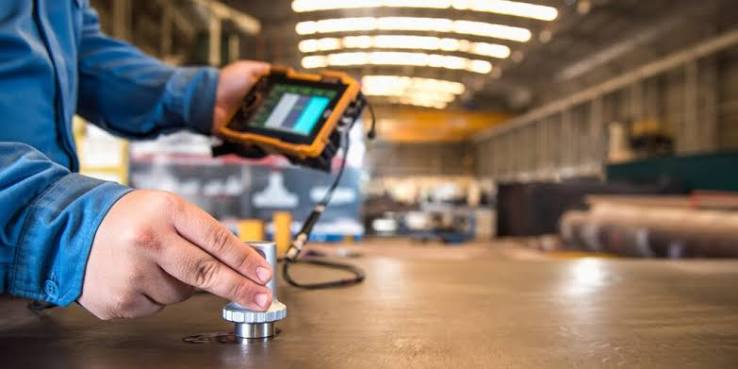
Material testing plays a crucial role in ensuring the reliability, safety, and performance of materials used across various industries. From construction and manufacturing to aerospace and automotive sectors, understanding material properties and behaviour is fundamental for maintaining quality standards and meeting regulatory requirements. This article provides a comprehensive overview of material testing services, highlighting their importance, methodologies, and applications.
Understanding Material Testing
Material testing refers to the process of evaluating materials to determine their physical, chemical, mechanical, and thermal properties. This evaluation helps identify defects, ascertain compliance with specifications, and predict performance under different conditions. The data obtained from material testing is essential for designers, engineers, and manufacturers to make informed decisions.
Importance of Material Testing Services
Material testing services support quality assurance and control within various industries. They help prevent structural failures, reduce risks, and avoid costly recalls or repairs. Furthermore, these services ensure that materials meet national and international standards, which is vital for legal compliance and customer satisfaction.
The selection of appropriate material testing services depends on the type of material, its intended use, and the specific properties required for performance verification. Engaging professional material testing services guarantees accurate and reliable results.
Types of Material Testing
Material testing covers a broad range of examinations, each designed to assess different characteristics of materials. Some of the primary types include mechanical testing, chemical analysis, non-destructive testing, and thermal testing.
Mechanical Testing
Mechanical testing evaluates a material’s response to forces and stresses to determine properties such as tensile strength, hardness, impact resistance, and fatigue life. Tests like tensile testing, compression testing, and hardness testing fall under this category, providing critical information about the material’s durability and suitability.
Chemical Analysis
Chemical analysis involves determining the elemental composition of a material to verify its purity and detect any contaminants or alloying elements. Techniques such as spectroscopy and chromatography are commonly used to perform these analyses.
Non-Destructive Testing (NDT)
Non-destructive testing allows for evaluating materials without causing damage, making it suitable for inspections of finished products or in-service components. Methods include ultrasonic testing, radiography, magnetic particle inspection, and dye penetrant testing, each with unique applications depending on the material and defect types expected.
Thermal Testing
Thermal testing assesses how materials respond to temperature changes, including their melting points, thermal conductivity, and expansion properties. Understanding thermal behaviour is crucial for materials used in high-temperature environments or applications requiring thermal insulation.
Applications of Material Testing Services
Material testing services are integral to various sectors, underpinning product development, quality control, and failure analysis. Below are some key applications:
Construction Industry
In construction, materials such as concrete, steel, and composites must conform to stringent standards to ensure structural integrity. Comprehensive material testing ensures these components satisfy design requirements and withstand environmental stresses.
Manufacturing Sector
Manufacturers rely on material testing to monitor production processes, validate raw materials, and certify finished goods. Testing contributes to streamlining quality control and enhancing product reliability.
Aerospace and Automotive
Industries such as aerospace and automotive demand materials with exceptional performance characteristics due to safety concerns and operational stresses. Material testing ensures compliance with strict regulatory guidelines and helps develop innovative materials with improved capabilities.
Research and Development
In research and development, material testing facilitates the design of new materials and composites by providing detailed property data. This information supports innovation and the creation of customised solutions for specific applications.
Choosing the Right Material Testing Service Provider
Selecting a competent material testing service provider is paramount to obtaining dependable results. Important criteria include accreditation, range of testing capabilities, use of advanced technology, and expert personnel.
Accredited laboratories adhere to international standards such as ISO/IEC 17025, ensuring standardised procedures and traceability of results. Providers with comprehensive material testing services offer convenience by covering multiple testing needs under one roof.
Advanced testing equipment guarantees precision and allows for quick turnaround times, which is essential in fast-paced industries. Furthermore, experienced technicians and engineers can interpret data effectively and provide meaningful insights.
Benefits of Utilising Professional Material Testing Services
Engaging professional material testing services offers numerous advantages, including:
- Accurate and reliable test results
- Compliance with industry standards and regulations
- Identification of material deficiencies before product failure
- Cost savings through prevention of material-related failures
- Continual improvement of material performance and product quality
Conclusion
Material testing services form an essential part of the supply chain, quality assurance, and product development processes across multiple industries. By thoroughly assessing material properties and ensuring compliance with standards, these services contribute significantly to safety, innovation, and efficiency.
Understanding the different types of testing, their applications, and the criteria for selecting reputable providers enables organisations to maximise the benefits obtained from material testing. Utilising professional material testing services ensures that materials perform as expected throughout their lifecycle, supporting overall operational success.