Legal Questions Emerge After Alleged “Kill Them All” Order in Caribbean Strike

New details about a U.S. operation in the Southern Caribbean have raised serious international law concerns, following reports that Defense Secretary Pete Hegseth ordered a strike that permitted no survivors during a September attack on an alleged narco‑trafficking vessel.
Background of the Operation
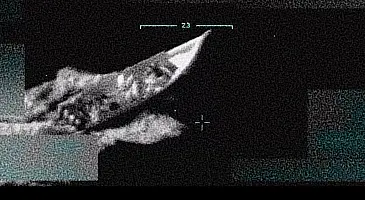
According to officials familiar with the mission, SEAL Team 6 conducted the initial strike on a suspected trafficking boat. When drone footage later showed two survivors clinging to the burning wreck, a second strike was ordered to eliminate them—an action reportedly carried out under the directive communicated from the Defense Secretary.
Key Questions Under Review
Origin of the Strikes
Officials are seeking clarity on the platform that launched the operation, whether it was:
- A U.S. Navy vessel,
- A U.S. military base, or
- A chartered commercial ship under U.S. control.
The point of origin is critical in determining jurisdiction, chain of command, and legal oversight.
Location of the Target
The legality of military action at sea depends heavily on where the vessel was struck:
- International waters fall under maritime law and limit the use of lethal force.
- Territorial waters introduce issues of sovereignty violations and require host‑nation coordination.
Determining the exact coordinates of the strike will be central to any legal assessment.
Intelligence Behind the Narcotics Claim
Questions remain about the intelligence used to justify the mission:
- What evidence indicated the crew was involved in narco‑trafficking?
- Was the vessel under surveillance, or were the allegations based on broader trafficking patterns?
The strength of the intelligence will determine whether the strike met the threshold for lawful targeting.
Second Strike on Survivors
The most troubling element involves the reported order to eliminate the final two survivors. Under international maritime law, including the duty to rescue persons in distress at sea, combatants who are incapacitated or no longer posing a threat cannot be lawfully targeted.
A second strike on individuals clinging to wreckage raises profound concerns regarding compliance with:
- The Law of Armed Conflict (LOAC),
- The principle of distinction and proportionality, and
- Prohibitions on denying quarter, which classify intentional killing of those rendered helpless as a war crime.
Broader Legal and Political Implications
- The allegations place significant scrutiny on Defense Secretary Hegseth’s authorization and the commander’s compliance.
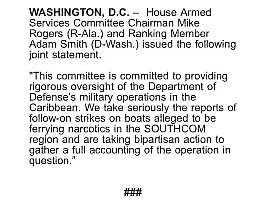
- Congressional oversight committees are expected to examine rules of engagement, chain‑of‑command communications, and drone feed records.
- The incident may affect U.S. counter‑narco operations and strain diplomatic relations with Caribbean and Latin American partners.
Conclusion
The reported directive to leave no survivors in the Caribbean operation raises grave concerns with potential violations of international humanitarian law. As investigations continue, the U.S. government faces mounting pressure to establish the facts surrounding the strike, the intelligence behind it, and the justification for targeting survivors at sea.