Hegseth Allegedly Ordered “No Survivors” Strike on Narco-Trafficking Vessel
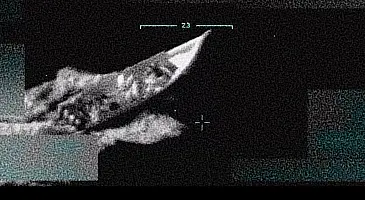
An exclusive report by The Washington Post details a controversial U.S. military operation on September 2 in the Southern Caribbean, targeting an alleged narco-trafficking vessel. According to sources with direct knowledge, Secretary of Defense Pete Hegseth allegedly gave a directive to “kill everybody” aboard the vessel.
Details of the Operation
The initial strike was reportedly carried out by the U.S. Navy’s SEAL Team 6. A live drone feed reportedly showed that two of the eleven crewmembers survived, clinging to the burning wreckage. Following this, the operation commander ordered a second strike to comply with Hegseth’s alleged instructions, effectively leaving no survivors.
Legal and Ethical Implications
- Such an order, if confirmed, could constitute a war crime under international law.
- Targeting survivors who are incapable of immediate threat raises serious questions about compliance with the laws of armed conflict.
- The directive reflects an extreme approach to neutralizing perceived threats linked to narco-trafficking operations.
Role of Military Leadership
Adm. Frank M. “Mitch” Bradley, then Commander of Joint Special Operations Command (JSOC), executed the second strike. Bradley justified the action during a secure conference call, stating that survivors were still considered legitimate targets because they might contact other traffickers to retrieve cargo or coordinate assistance. Bradley has since been promoted to lead U.S. Special Operations Command (SOCOM).
Strategic and Operational Considerations
- The operation demonstrates the high-risk nature of anti-narcotics and counter-trafficking missions in international waters.
- The use of drone surveillance allowed commanders to monitor outcomes in real time, influencing subsequent operational decisions.
- Analysts note that such directives could create legal and diplomatic repercussions, potentially affecting U.S. military credibility and compliance with international law.
Final Thoughts
The alleged directive from Secretary Hegseth to leave no survivors on the vessel underscores the complex ethical and legal challenges faced during covert operations. As details emerge, the operation may prompt further review of military protocols, oversight mechanisms, and accountability within U.S. special operations.