A Complete Guide to Choosing Artificial Turf for Pool Surroundings
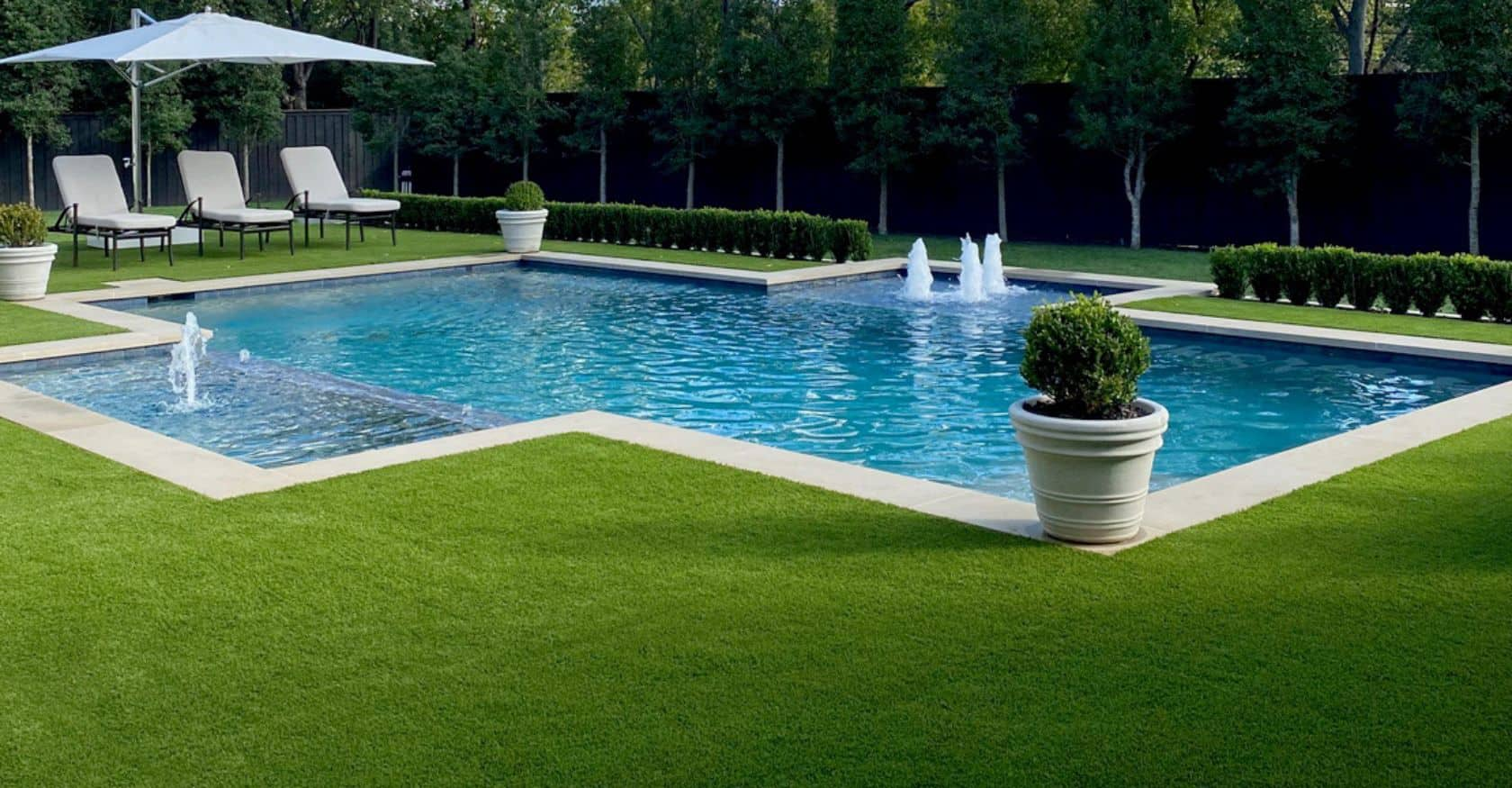
Pool surroundings need surfaces that stay safe, neat, and comfortable through constant use. Water exposure, sun, and foot traffic can wear down many materials over time. Artificial turf offers a steady option that suits both small patios and large pool decks. With the right choice, the area stays clean and inviting without frequent repair work.
Material Quality and Fiber Type
The base of a good selection starts with fiber quality and structure. Many homeowners look at Artificial Turf for Pool Areas as an example when checking softness and durability. Polyethylene fibers often feel softer, while polypropylene may suit lighter use. Each option serves a purpose, so the decision depends on how the space is used.
Fiber density also plays a role in how the turf looks and performs. A denser surface tends to hold its shape under repeated use. It also reduces the chance of visible flattening near seating or pool entry points. This helps the area stay even and presentable over time.
Drainage Design and Water Flow
Poolside turf must handle water without delay, so drainage design is key. Perforated backing allows water to pass through the surface with ease. This prevents puddles that can lead to slips or discomfort. A dry surface also keeps the area more hygienic.
Base Preparation and Support Layers
A proper sub-base supports the drainage system and improves stability. Materials like crushed stone help guide water away from the top layer. This setup keeps the turf firm underfoot even after heavy use. Over time, it also reduces wear caused by trapped moisture.
Comfort and Surface Feel
Comfort matters in areas where bare feet are common. Artificial turf offers a softer feel compared to stone or tile, which can feel harsh after long use. The texture adds a gentle cushion that supports relaxed movement around the pool. This makes it suitable for both leisure and active use.
Temperature control also plays a role in comfort. Many turf options stay cooler than hard surfaces under direct sunlight. This helps reduce discomfort during warm afternoons. A balanced surface feel can improve the overall poolside experience.
Maintenance Needs and Long-Term Care
Maintenance levels differ between natural grass and artificial turf. Turf requires less routine care, which suits large or frequently used spaces. Basic cleaning helps remove debris and keeps the surface fresh. Occasional brushing can restore the upright look of the fibers.
Artificial Turf for Pool Areas also helps reduce common issues like mud or patchy growth. The surface stays consistent without seasonal changes that affect real grass. This stability supports a cleaner environment near the pool. Over time, it simplifies overall upkeep without added effort.
Visual Style and Layout Options
The appearance of the turf should match the overall pool design. Color tone, blade shape, and pile height all influence the final look. A natural green shade often blends well with water features and surrounding materials. This helps create a balanced and calm setting.
To refine the selection, consider these key visual factors:
- Blade shape that suits the desired texture
- Color mix that avoids an artificial look
- Pile height that matches foot traffic needs
- Edge finish that blends with nearby surfaces
These details help shape a cohesive and polished poolside area.
Each element, from fiber type to drainage, plays a part in long-term performance. A thoughtful approach helps create a space that stays comfortable and visually consistent. With careful selection, the pool area can remain functional and appealing through regular use.