Key Design Factors That Give a Luxury Chandelier Its Visual Power
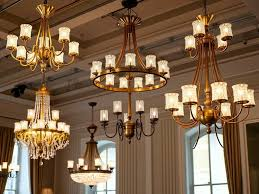
Grand interiors rely on statement features that speak instantly to taste. A carefully chosen chandelier sets the mood from the first step inside. Entry spaces gain character when lighting feels intentional rather than decorative. Designers view this fixture as a defining feature within the space. Explore refined lighting choices to elevate first impressions with confidence.
The impact of luxury chandeliers appears within moments of arrival. Scale, finish, and light quality shape how a space feels immediately. Visitors notice these details without conscious effort. This visual cue influences expectations about care, quality, and intent. Consider a thoughtfully selected fixture to reinforce architectural presence with clarity.
Architectural Scale and Its Impact on Entryway Presence
Ceiling height guides proper chandelier size for visual balance within entry spaces. A small chandelier reduces the presence inside tall foyers with expansive vertical volume. Oversized chandelier forms crowd ceiling lines or nearby architectural details quickly.
Designers determine proportions through room width plus ceiling height, with clearance requirements. The correct scale allows the chandelier to command attention without strain or imbalance. Proper suspension height preserves openness while supporting the room’s architectural structure. Balanced proportions help the chandelier sit comfortably within the space.
Material Choices Associated With Refinement and Prestige
Material quality shapes perception before light reaches surrounding surfaces. Precision-cut crystal creates sharp reflections with controlled brilliance. Solid brass frames communicate weight, durability, and permanence. Hand-finished metals show depth under varied illumination. These elements influence appearance across different lighting conditions.
Key material advantages include the following:
- Lead crystal with high clarity produces clean light dispersion.
- Polished brass frames resist wear while preserving structural strength.
- Hand-applied finishes prevent uneven tones across visible surfaces.
Each material supports a refined expression rooted in craftsmanship. Careful material selection ensures the chandelier maintains visual integrity across changing light conditions and daily use.
Light Direction and Ambient Influence Within Grand Spaces
Light placement affects how surfaces appear throughout the room. Downward-focused light draws attention toward the flooring or central furnishings. Upward glow softens ceiling planes while highlighting architectural details.
Balanced brightness reduces glare while maintaining visual comfort. Dimmers provide flexible control during formal gatherings or relaxed evenings. Careful illumination introduces depth without overshadowing decorative elements. This approach ensures each surface remains visible without visual strain.
Interior Harmony Between Ceiling Design and Fixture Form
Ceiling design influences how a chandelier integrates visually. Coffered ceilings benefit from centered placement within structural grids. Domed ceilings suit circular forms that echo curvature. Rectangular halls favor elongated fixtures aligned with room geometry. Structural alignment preserves visual calm across overhead surfaces.
Key alignment considerations include the following:
- Symmetrical placement reinforces architectural intent through visual order.
- Proportional alignment avoids tension between fixture scale and ceiling layout.
- Reinforced mounting distributes weight safely across structural supports.
Careful coordination supports cohesion throughout the interior. Precise alignment ensures the chandelier appears intentional rather than incidental within the overall design.
Craftsmanship Details Associated With Enduring Visual Authority
Fine craftsmanship becomes evident through precise joints and consistent surface finishes. Secure connections remove visible gaps between chandelier arms and central columns. Even surface treatment prevents tonal variation that distracts from the overall appearance.
Clean wiring paths maintain visual clarity across exposed structural elements. Skilled artisans examine each component for long-term structural reliability. This level of detail supports lasting quality while ensuring the chandelier retains a refined appearance through regular use.
Strategic Placement Within Arrival and Transition Zones
Placement shapes how guests encounter a chandelier from the moment of entry. Centered positioning within a foyer creates a strong focal point immediately. Transitional corridors benefit when fixtures align with natural sightlines and movement paths.
Staircase areas support chandeliers placed to guide attention upward through the space. Mounting height must maintain a clear passage while respecting scale. Careful placement transforms circulation zones into purposeful, visually engaging areas rather than overlooked transitional spaces.
Statement Value as a Defining Feature of First Impressions
A chandelier acts as the defining visual signature within a grand interior setting. Its form becomes recognizable immediately, even before surface details draw attention. Visitors read this presence as a sign of careful interior planning and considered design decisions.
The fixture provides visual structure for surrounding furnishings and decorative accents. Strong visual consistency builds recognition and memory. This sense of authority helps the space feel intentional, composed, and confidently designed from the moment of arrival.
Grand interiors gain distinction through deliberate lighting choices with clear intent. Luxury chandeliers strengthen architectural presence while elevating perceived quality across entry spaces. Careful decisions around scale, material selection, and placement guide how visitors read the interior. Professional guidance helps identify fixtures suited to ceiling height and spatial layout. Thoughtful lighting supports confident first impressions, leaving a lasting sense of order, refinement, and visual confidence throughout the space.