Protecting Construction Progress Through Consistent Fire Watch Service Monitoring
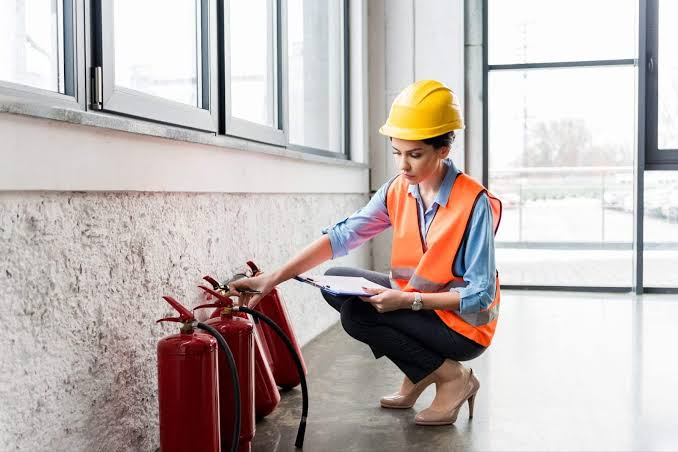
Construction work can continue safely when temporary risks receive steady attention. A fire watch guard company can provide trained personnel during periods when normal protection needs support. Active work areas often contain tools, wiring, materials, and heat sources. Regular observation helps identify unsafe conditions before they become serious. Clear reporting also helps workers respond without unnecessary confusion. Careful monitoring can support steady progress while safety duties remain organised.
Keeping Work Areas Under Watch
Construction zones change throughout the working day.Materials move frequently while different tasks happen nearby.
Regular patrols help notice unusual heat, smoke, or sparks.Clear observation also supports better control around active workspaces.
Duties That Support Safer Construction
A simple duty plan helps guards remain focused during shifts.Each task should be clear before monitoring begins.
- Inspect active work zones for smoke, sparks, or unusual heat.
- Check stored materials for unsafe placement near possible ignition sources.
- Watch temporary electrical areas during active construction work periods.
- Keep emergency routes clear throughout ongoing site activities.
- Report unusual conditions promptly through the approved communication process.
- Record important observations after completing each scheduled patrol.
- Monitor areas where cutting or welding activities are underway.
- Share relevant concerns during every shift handover process.
Watching High Risk Work Areas
Certain construction tasks require closer observation because they can create heat.Cutting, welding, and similar activities may produce sparks during operations.
Nearby materials should remain separated from possible ignition sources.Assigned personnel can maintain attention around these locations during work.
What Makes Construction Fire Monitoring More Effective?
Good monitoring depends on clear duties, suitable communication, and steady attention.Before work begins, supervisors should identify areas needing closer observation.Guards should understand emergency routes, contact details, and reporting procedures.
A clear handover also matters when different personnel cover separate periods. Earlier observations can reveal conditions that need continued attention. When support is provided by a fire watch guard company, communication should remain simple and direct. Guards should report smoke, sparks, or unsafe activity without unnecessary delay. Supervisors can then decide what action is suitable for the situation.
Supporting Progress During Temporary Changes
Construction sites often change as work moves from one area to another.New materials may arrive while previous sections become inactive.
Monitoring duties should adjust according to these changing conditions.A fixed patrol plan may not suit every stage of construction.
Maintaining Clear Communication Between Teams
Communication helps connect safety duties with everyday construction activity.Workers should know who receives urgent reports during operations.
Guards should have reliable contact methods throughout their assigned periods.Supervisors can provide updates when work schedules or locations change.Short briefings can explain new hazards before tasks begin.
Questions About Temporary Fire Monitoring
Construction teams often need clear answers before temporary monitoring begins.Several practical points can help workers understand the process better.
- Which construction activities usually require closer fire monitoring during work?Hot work, electrical repairs, and material handling may require additional observation around active areas. Supervisors should identify specific locations before work begins. Guards can then focus attention where temporary hazards may appear.
- What should workers report during ongoing construction operations?Workers should report smoke, sparks, unusual heat, or unsafe material placement immediately. Early reporting gives responsible staff more time to assess conditions. Clear communication can also prevent small concerns from being overlooked during busy periods.
Maintaining Records for Better Oversight
Written patrol notes can support better control across changing construction areas.Records should remain factual, simple, and easy to understand.
Useful details may include locations checked, unusual findings, and reported concerns.Supervisors can review these notes during regular safety discussions.Repeated issues may show where additional attention is needed.
Good documentation also helps incoming guards understand earlier observations.Shift handovers become easier when important information remains available.Consistent records can support practical decisions throughout construction progress.
Reliable Monitoring Supports Steady Progress
Careful oversight can help construction teams manage temporary fire risks.Clear duties keep monitoring organised during changing work conditions.Regular patrols help identify concerns before they become larger problems.Strong communication keeps workers informed about unusual site conditions.Good records provide useful details for later safety reviews.Consistent attention supports safer movement across active work areas.Simple procedures can reduce confusion during unexpected situations.Prepared teams can respond more calmly when conditions change.Practical monitoring helps protect progress without creating unnecessary disruption.