Top Items Accepted In Electronic Recycling Programs In Austin
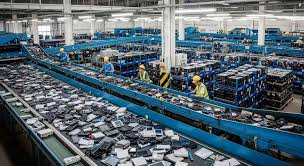
There’s a laptop in your closet that hasn’t turned on since 2012.
A box of tangled chargers and mystery cables in your garage.
Three broken printers (why did you even have three?) sitting under the breakroom table.
If this sounds familiar, you’re not alone.
As Austin continues to grow into a tech-savvy, eco-conscious city, more individuals and businesses are turning to electronic recycling Austin programs to get rid of outdated devices the responsible way. But not everything with a plug belongs in the recycling bin—and not all e-waste is created equal.
Let’s break down the most commonly accepted (and valuable) items in local electronic recycling programs—and why properly disposing of them matters more than ever.
1. Computers & Laptops: The Obvious Heavyweights
Old desktops. Burned-out laptops. Half-dismantled towers.
These are some of the most frequently accepted—and recycled—items in e-waste programs. Why? Because they contain valuable materials like aluminum, steel, copper, and even traces of precious metals like gold and silver.
Whether you’re dropping off:
- Outdated PCs
- Broken laptops
- Gaming rigs from your college days
- Or just the shells after salvaging parts
They all have recycling value.
Tip: Always wipe your hard drive before recycling. Some programs offer data destruction services, but better safe than sorry.
2. Cables, Chargers & Power Supplies: The Drawer Dwellers
You know that drawer.
The one you avoid opening because it’s filled with cords you might need but never do?
Yeah—those can go.
Power cables, USB cords, HDMI, phone chargers, power bricks—they all contain copper and other recyclable metals. Most electronic recycling facilities in Austin accept cords even if they’re frayed or broken.
Bonus: Removing them from your drawers will not, in fact, cause your current charger to stop working. We promise.
3. Cell Phones & Tablets: Small But Mighty
Austin recycles a lot of smartphones—and for good reason.
Old phones are packed with recoverable materials, including rare earth elements. Even the shattered, water-damaged relics sitting in junk drawers still carry value in their internal components.
Most programs accept:
- Smartphones (Android, iPhone, flip phones—yes, even those)
- Tablets and e-readers
- Cell phone batteries and accessories
Reminder: Just like with computers, do a factory reset and remove SIM cards before recycling.
4. Printers & Scanners: The Forgotten Office Fixtures
Few things are more annoying than a non-functioning printer. That’s probably why so many of them end up stacked in corners, waiting for a second life that never comes.
Good news: electronic recycling Austin services typically accept:
- Inkjet printers
- Laser printers
- All-in-one scanner/copiers
- Large-format plotters
- And fax machines (for the three people still using them)
Do this first: Remove ink or toner cartridges. Some programs recycle those separately, while others prefer them removed to avoid contamination.
5. Monitors & TVs: Yes, Even the Old Clunky Ones
Flat-screens? No problem.
That CRT monitor from your high school desktop setup? Also no problem (usually).
Most recycling facilities accept:
- LCD and LED monitors
- CRT monitors and TVs (though some may charge a fee)
- Plasma screens
- Broken displays with cracked glass
Just call ahead for CRTs—they’re heavier, contain more hazardous materials, and some centers limit how many they’ll take per drop-off.
6. Servers, Networking Equipment & Business Electronics
For Austin’s many startups, tech offices, and remote workers, the back closet often becomes a tech graveyard.
Good news: recycling centers often accept business-grade equipment, including:
- Servers and server racks
- Modems, routers, and switches
- VOIP phones and telecom gear
- External hard drives and NAS units
These items are especially valuable because of their high metal content and the potential for secure data handling during recycling.
7. Kitchen & Household Electronics
Beyond the traditional tech, many e-waste programs also take small household gadgets. Think:
- Microwaves
- Toasters
- Electric kettles
- Coffee machines
- Blenders with electric components
While they might not be high-tech, they still count as e-waste due to their circuitry and wiring.
Just keep in mind: Large appliances like fridges, AC units, and washers fall under scrap metal recycling, not electronics. Know the difference before you haul.
What Most Programs Don’t Accept
Knowing what not to bring is just as important. Common “no thanks” items include:
- Smoke detectors (radioactive components)
- Batteries (many require separate drop-off)
- Light bulbs
- Vapes or e-cigarettes
- Pressurized containers
- Hazardous or wet materials
When in doubt? Call the facility ahead of time or check their website.
Why Recycling Electronics Matters in Austin
E-waste isn’t just clutter—it’s a rising environmental concern. Electronics contain both valuable recoverable materials and harmful components (like lead, mercury, and flame retardants) that don’t belong in landfills.
By using electronic recycling Austin services, you’re not only freeing up space—you’re keeping toxic waste out of the soil, supporting local recycling jobs, and contributing to a circular economy where materials get reused instead of buried.
Final Thought: Your Old Tech Deserves a Better Ending
Don’t let broken electronics haunt your junk drawer or fill up a landfill.
From laptops to microwaves, chargers to servers, Austin offers convenient ways to recycle tech responsibly—and in many cases, you’ll even get value back.