Motorcycle Crashes Spike in Late Summer. Riders Should Know Why
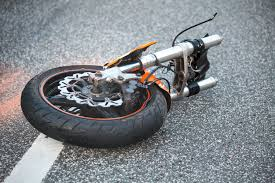
Late summer brings some of the best riding weather of the year across Loudoun County. Longer daylight hours, warmer temperatures, and weekend trips put more motorcycles on rural roads. Unfortunately, the same increase in traffic can also lead to more serious crashes.
Riders face unique risks that drivers of passenger vehicles may not fully recognize. Curvy roads, changing traffic patterns, distracted motorists, and higher speeds can turn a routine ride into a dangerous situation. Understanding why crashes increase and what to do after one can help riders make safer decisions and protect their rights if a collision occurs.
Why Motorcycle Crashes Increase in Late Summer
Several factors can contribute to more motorcycle crashes during the late-summer riding season.
More Motorcycles on the Road
Motorcycle traffic often increases when weather conditions are favorable. More riders naturally mean more opportunities for conflicts between motorcycles, cars, trucks, and other vehicles.
Some motorists may also go several months without seeing many motorcycles. They may be less accustomed to checking for smaller vehicles before changing lanes, turning, or entering an intersection.
Rural Roads Present Special Challenges
Loudoun County has numerous rural roads that combine curves, hills, intersections, and varying speed limits. These roads can be enjoyable for experienced riders but can also create hazards.
Blind curves and limited sight distances may reduce the time available to react to a vehicle crossing the center line, an animal entering the roadway, or debris in the travel lane.
Weekend Riding Can Increase Risk
Late-summer weekends often bring recreational rides and longer motorcycle trips. Riders may travel unfamiliar routes or ride in groups, increasing the complexity of traffic situations.
Fatigue can also become a factor during longer rides. A rider who has spent several hours on the road may have slower reaction times, particularly during the afternoon or evening.
Common Causes of Motorcycle Crashes
Not every motorcycle collision is caused by the rider. Many crashes occur because another driver fails to recognize or properly respond to a motorcycle.
Common contributing factors include:
- Distracted driving
- Unsafe lane changes
- Following too closely
- Failure to yield
- Speeding
- Driving under the influence
- Aggressive or reckless driving
- Turning across a motorcycle’s path
- Poor road conditions or debris
- Inadequate visibility
Left-turn collisions are particularly concerning. A driver may see a motorcycle approaching but incorrectly judge its speed or distance, resulting in a crash at an intersection.
What Happens When a Crash Leads to a Criminal Investigation?
A motorcycle crash can have consequences beyond physical injuries and property damage. If investigators believe a rider or another driver was speeding, driving recklessly, operating under the influence, or otherwise violating traffic laws, criminal or traffic charges may follow.
The distinction between an ordinary traffic violation and a more serious offense can depend on the circumstances of the collision, the available evidence, and the applicable law. Police reports, witness statements, photographs, video footage, and vehicle data may all become relevant.
Someone facing allegations after a serious crash may benefit from speaking with a Loudoun County criminal defense attorney before making statements that could later affect the case. A legal professional can help explain the allegations, potential consequences, and available options based on the specific circumstances.
What Injured Riders Should Do After a Crash
The moments immediately following a motorcycle collision can be overwhelming. If injuries permit, taking a few practical steps can help preserve important information.
Seek Medical Attention
Some motorcycle crash injuries are not immediately obvious. Adrenaline can temporarily mask pain, while certain injuries may become more apparent hours or days later.
Medical evaluation creates a record of the injuries and allows healthcare professionals to determine whether additional treatment is necessary.
Document the Scene
If it is safe to do so, take photographs or videos of:
- Vehicle positions
- Motorcycle damage
- Road conditions
- Traffic signs and signals
- Visible injuries
- Skid marks or debris
- Nearby intersections and surrounding areas
Also obtain contact information from witnesses when possible.
Avoid Guessing About Fault
After a collision, emotions can run high. Riders should avoid making assumptions or statements such as “I must have been going too fast” simply because they are unsure what happened.
Determining responsibility requires examining the evidence. A rider’s account should focus on what they actually observed rather than speculation about events they cannot remember or verify.
Why Insurance Companies May Question Motorcycle Claims
Injury claims involving motorcycles can sometimes face additional scrutiny. Some insurers may focus heavily on the rider’s conduct and suggest that the motorcyclist was speeding, riding aggressively, or otherwise responsible for the collision.
That does not automatically make those assumptions accurate.
Insurance companies may examine police reports, medical records, photographs, witness statements, vehicle damage, and other evidence when evaluating a claim. Riders should be cautious about providing recorded statements or accepting an early settlement before understanding the full extent of their injuries and losses.
A settlement offered shortly after a crash may not account for future medical treatment, lost income, rehabilitation, or other consequences that become clear later.
Understanding Your Options After a Motorcycle Collision
When another driver’s actions contributed to an injury, the injured rider may have a claim for damages. The strength of that claim depends on the facts and evidence surrounding the crash.
Speaking with a motorcycle accident lawyer in Ashburn, VA can help an injured rider understand how liability may be evaluated and what documentation may be important.
Useful evidence can include medical records, photographs, repair estimates, witness information, traffic-camera footage, and records showing lost wages. Keeping these materials organized can make it easier to understand the financial impact of the collision.
Mistakes Riders Should Avoid
Even when a crash was clearly serious, certain actions can complicate the aftermath.
Riders should consider avoiding:
- Posting about the crash online.Social media posts or photographs may be taken out of context.
- Ignoring medical advice. Gaps in treatment can make it harder to demonstrate the progression of an injury.
- Accepting an early settlement without review. The initial offer may not reflect the complete financial impact.
- Repairing or disposing of the motorcycle too quickly. The vehicle may contain useful evidence about how the crash occurred.
- Speculating about fault. Let the available evidence establish what happened.
Safer Riding for the Rest of the Summer
Before a longer ride, check weather conditions, tire pressure, lights, brakes, and other essential equipment. On unfamiliar rural roads, approach curves and intersections cautiously and remain prepared for vehicles that may not see the motorcycle.
Drivers also have an important role. Checking blind spots, using turn signals, yielding appropriately, and avoiding distractions can help prevent collisions with motorcycles.
Late summer can be an enjoyable time to ride throughout Loudoun County. Still, increased motorcycle traffic requires increased awareness from everyone sharing the road. When a crash occurs, understanding the legal and insurance issues early can help riders make informed decisions as they focus on recovery.