7 Features That Contribute to a Reliable Roofing System
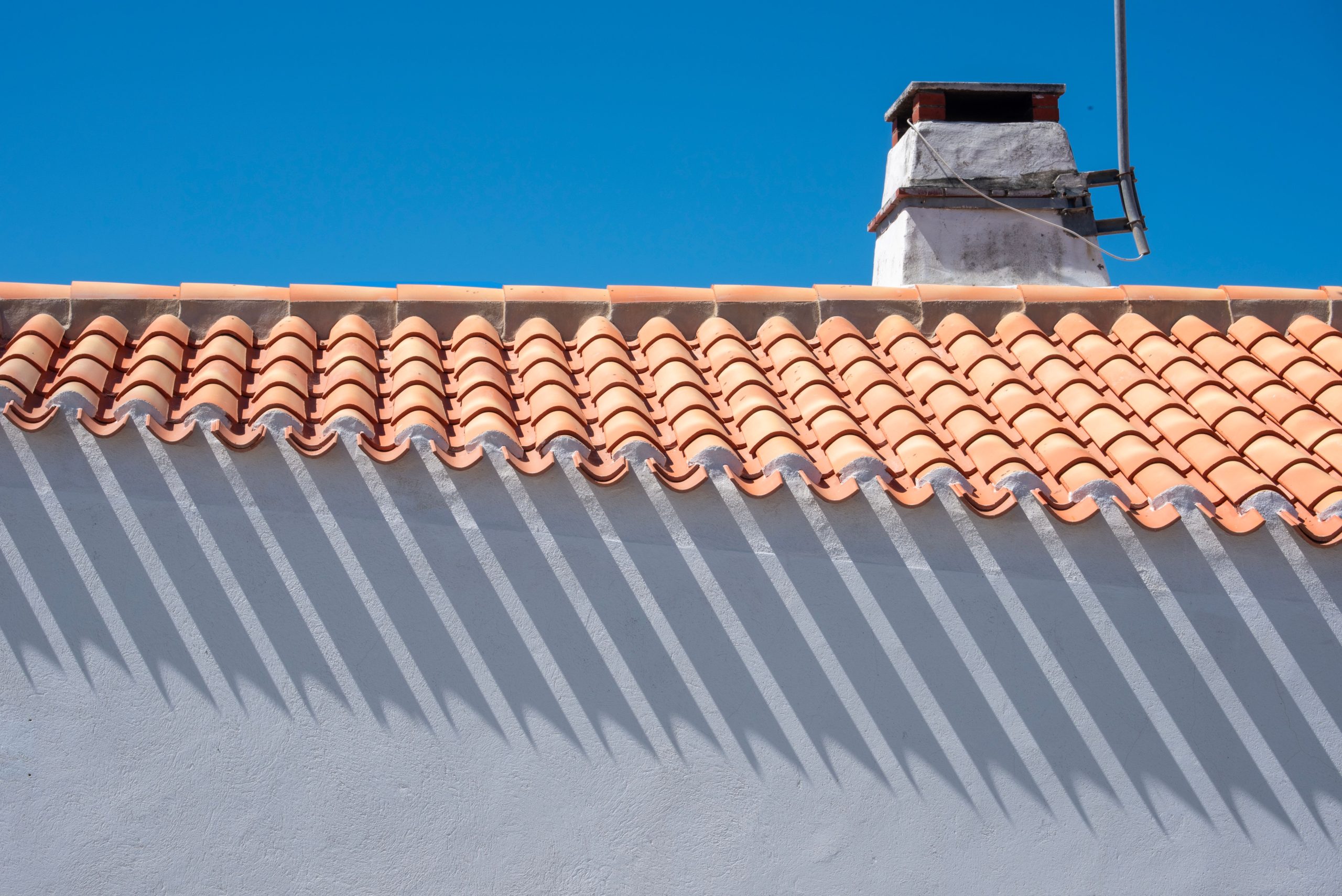
A reliable roofing system is essential for protecting your home from weather, maintaining structural stability, and supporting long term comfort. When a roof is built with durable materials and supported by proper installation practices, it performs consistently throughout every season. Understanding the features that contribute to a dependable roofing system helps homeowners make informed decisions about maintenance, upgrades, and future improvements. With thoughtful planning and attention to detail, a strong roof can provide decades of protection.
Durable Roofing Materials That Withstand Weather
The foundation of a reliable roofing system begins with high quality materials. Shingles, tiles, or metal panels must be able to withstand rain, wind, sunlight, and temperature changes without deteriorating prematurely. Durable materials help prevent cracking, curling, or moisture intrusion, all of which can weaken the roof over time. When homeowners invest in strong, weather resistant products, they reduce the likelihood of frequent repairs and improve long term performance. Material quality plays a meaningful role in ensuring that the roof remains stable and protective throughout the year.
Proper Installation That Supports Long Term Stability
Even the best materials cannot perform well without proper installation. Skilled workmanship ensures that each component of the roofing system is placed correctly and securely. Flashing must be installed with precision, underlayment must be positioned to prevent moisture intrusion, and shingles must be aligned to create a consistent barrier. Professional installation also helps reduce the risk of gaps, leaks, or structural weaknesses. Homeowners planning an Austin roof replacement often rely on experienced contractors who understand local building standards and weather conditions. Proper installation supports long term durability and reduces the likelihood of future complications.
Effective Ventilation That Regulates Temperature
Ventilation is a critical feature of any reliable roofing system. When airflow is balanced, heat and moisture do not accumulate in the attic, reducing the risk of mold, condensation, and premature wear on roofing materials. Proper ventilation helps regulate indoor temperature, supports energy efficiency, and reduces strain on heating and cooling systems. This balance contributes to a more comfortable living environment and extends the lifespan of the roof. Effective ventilation ensures that the roofing system performs well during seasonal changes and maintains structural integrity over time.
Strong Underlayment That Provides Additional Protection
Underlayment serves as a secondary barrier beneath the outer roofing materials. It protects the home from moisture, wind driven rain, and temperature fluctuations. High quality underlayment helps prevent leaks and supports the overall strength of the roofing system. When underlayment is installed correctly, it enhances durability and reduces the risk of interior damage. This layer plays a meaningful role in maintaining long term protection, especially during severe weather. A reliable roofing system depends on underlayment that performs consistently and reinforces the roof’s structural stability.
Secure Flashing That Prevents Moisture Intrusion
Flashing is essential for protecting vulnerable areas of the roof, such as chimneys, vents, and intersections where materials meet. When flashing is installed securely, it prevents water from entering areas where it can cause rot, mold, or structural deterioration. Properly sealed flashing helps maintain the integrity of the roof and reduces the likelihood of leaks. This feature is especially important during heavy rain or snow, when moisture can accumulate quickly. Strong flashing contributes to a more dependable roofing system and supports long term protection.
Reliable Drainage That Directs Water Away from the Home
A roofing system must be able to direct water away from the home efficiently. Gutters, downspouts, and roof slopes work together to ensure that rainwater flows away from the structure rather than pooling in vulnerable areas. Effective drainage prevents moisture buildup, reduces the risk of leaks, and protects the foundation from water damage. When drainage components are maintained properly, they support the overall performance of the roof and help preserve long term stability. Reliable drainage is a key feature that contributes to a strong and resilient roofing system.
Consistent Maintenance That Preserves Performance
Even the most durable roofing system requires regular maintenance to remain effective. Inspections, minor repairs, and debris removal help prevent small issues from developing into major concerns. Consistent maintenance ensures that materials remain in good condition and that structural components continue to perform as intended. Homeowners who stay proactive with upkeep enjoy greater protection and reduce the likelihood of unexpected repairs. Maintenance plays a meaningful role in preserving the reliability of the roofing system and supporting long term durability.
Conclusion
A reliable roofing system depends on durable materials, proper installation, effective ventilation, strong underlayment, secure flashing, dependable drainage, and consistent maintenance. By focusing on these features, homeowners can ensure that their roof provides long term protection, stability, and comfort throughout every season.