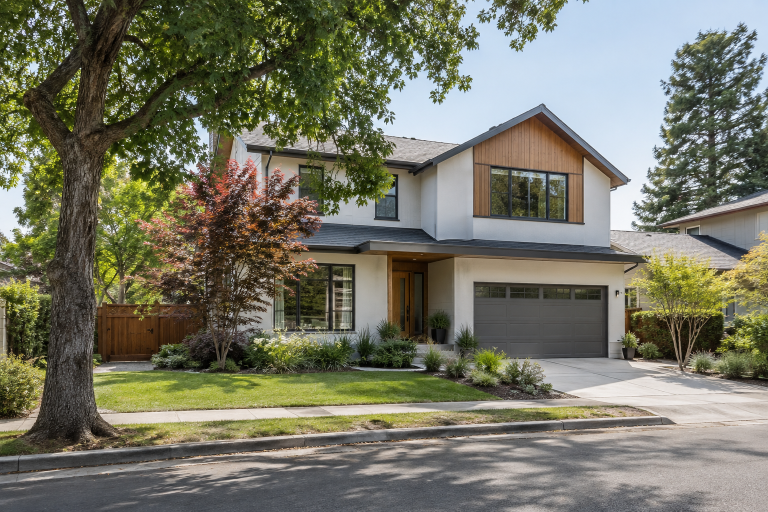
What to Check Before Buying a Wine Country Home in Healdsburg, California

Key Takeaways
- Look beyond the house and inspect the land, drainage, access, and utility systems.
- Check well water, septic systems, and shared utilities before making an offer.
- Review private roads, easements, and emergency access.
- Consider wildfire preparation, evacuation routes, and insurance availability early.
- Budget for landscaping, tree care, septic maintenance, and outbuilding repairs.
- Visit the property at different times to understand traffic, noise, and daily convenience.
- Use qualified local professionals to investigate potential problems.
- Choose a property that fits your lifestyle and maintenance budget, not just your preferred views.
Buying a home in Healdsburg can mean choosing between a walkable in-town property, a hillside retreat, a vineyard-adjacent residence, or a larger rural estate. Each can offer a distinct Wine Country lifestyle, but the view, acreage, and setting should be only part of the decision. The systems that support the home, the condition of the land, and the realities of daily access deserve just as much attention.
When comparing Healdsburg CA homes for sale, buyers can use Ceci Cook’s Healdsburg real estate page to explore listings and local market context in and around this historic Sonoma County community. Ceci Cook works across Healdsburg, Sonoma County, the San Francisco Bay Area, and Wine Country, making her local property-search focus particularly useful when comparing an in-town home with a more private rural or vineyard-area property.
Key Takeaways
- Look beyond finishes and views by inspecting the land, drainage, access, water, septic, and utility systems.
- Address wildfire preparation and homeowners insurance early in the buying process.
- Budget for ongoing land care, private-system maintenance, road costs, and outbuilding upkeep.
- Test whether a property works for ordinary weekdays, not only relaxed weekends.
- Use qualified local professionals to investigate details that may not be obvious from a listing or showing.
Why Healdsburg Wine Country Homes Need Extra Research
Homes around Healdsburg can vary widely in how they operate. One property may have city water, public sewer, paved streets, and close access to restaurants and shops. Another may have a well, septic system, propane, solar equipment, a pool, several acres, mature trees, and a private road. Those features can be highly appealing, but they also create separate inspection, repair, and maintenance needs.
A careful evaluation considers the entire property rather than only the main house. A beautifully renovated kitchen does not answer whether a retaining wall is stable, whether a shared road is maintained, or whether a detached guest space was properly permitted. Before making an offer, match the property’s complexity with your budget, time, and comfort level as an owner.
Start With the Land, Not the Listing Photos
Walk as much of the parcel as practical, preferably more than once and at different times of day. Ask where water travels during heavy rain, whether any areas hold standing water, and whether slopes show erosion or soil movement. Look closely at retaining walls, drainage channels, culverts, hillside landscaping, and the condition of trees near structures, driveways, or power lines.
More acreage does not necessarily mean more usable space. A large parcel may include steep terrain, wooded areas, drainage corridors, or land that is difficult to maintain. Notice where you would realistically garden, entertain, park, store equipment, or allow pets to roam. Also review nearby parcels, zoning information, and visible agricultural operations before assuming a quiet boundary or open view will remain unchanged.
Check Water, Septic, and Utility Systems
Confirm whether the home uses municipal water, a private well, or a shared well. For a well-served property, request available water-quality results, well-flow information, equipment details, repair records, and any agreements governing shared use. A qualified inspector or well professional can help identify questions that deserve further testing.
If the property is not connected to the public sewer, schedule a septic inspection and request records of permits, maintenance, pumping, repairs, and system capacity. Capacity matters when there are guest quarters, a pool house, a detached office, or other spaces that may increase use. Confirm the status of propane tanks, solar panels, battery storage, generators, trash service, internet options, cell reception, and the property’s history of power interruptions.
Review Roads, Easements, and Emergency Access
Private and shared roads can shape both everyday convenience and long-term expense. Review title documents, recorded easements, and any road-maintenance agreement. Determine who has access rights, who pays for repairs, and how decisions are made regarding grading, drainage work, tree trimming, or resurfacing.
During a site visit, look for potholes, washouts, narrow turns, steep grades, low-clearance branches, gates, bridges, and poor drainage. Consider whether fire apparatus, ambulances, contractors, delivery vehicles, and moving trucks can safely reach the residence. An attractive secluded setting should still provide practical access when conditions are less than ideal.
Look Closely at Wildfire Preparation
Wildfire considerations should be addressed alongside financing and insurance, not after every other decision has been made. Examine the roof, attic and foundation vents, windows, siding, decks, gutters, fences, vegetation, and nearby sheds or other outbuildings. Ask for records related to roof replacement, vegetation management, fire inspections, home-hardening work, and prior repairs.
California buyers can use CAL FIRE’s defensible-space guidance to understand how vegetation, combustible materials, and the area immediately around a structure can affect wildfire preparation. Review evacuation routes, driveway turnaround space, gates, and address visibility before becoming too attached to a particular property.
Price the Full Cost of Ownership
The purchase price is only the starting point. A realistic ownership budget may include property taxes, homeowners insurance, tree work, landscaping, well testing, septic maintenance, private-road contributions, pool service, pest control, generator upkeep, and care for detached buildings. Older homes and properties with deferred maintenance may require immediate work and ongoing attention.
Request insurance estimates before removing contingencies. Coverage availability, deductibles, and premiums can materially affect the monthly cost of ownership. The California Department of Insurance residential insurance resources can help buyers understand coverage topics and options to explore when conventional insurance is difficult to obtain.
Compare Daily Life With Weekend Appeal
Visit at different times and on different days if possible. Drive the route to work, schools, grocery stores, medical offices, major highways, and the airport. Pay attention to traffic, road conditions, harvest activity, event crowds, farm equipment, and noise that may not be noticeable during a brief showing.
A home near Healdsburg Plaza may offer walkability and easy access to everyday amenities, while a property outside town may offer privacy, land, and expansive views. Neither choice is inherently better. The right fit depends on how you intend to live there throughout the year.
Follow a Simple Due Diligence Process
- Confirm financing and seek insurance estimates early.
- Review seller disclosures, title documents, easements, permits, and boundaries.
- Schedule a general home inspection.
- Add specialized inspections for wells, septic systems, roofs, chimneys, pools, roads, and outbuildings when appropriate.
- Estimate immediate repairs and annual maintenance costs.
- Compare the home with at least two or three realistic alternatives.
- Consult qualified legal, insurance, financial, and inspection professionals when an issue falls outside your experience.
Questions Buyers Often Ask
Is a Wine Country Home Harder to Maintain?
It can be, depending on acreage, terrain, building age, landscaping, private systems, and the number of structures. A smaller home with updated systems may require far less work than a larger estate with aging infrastructure.
Should Buyers Test a Private Well?
Buyers should review available records and engage qualified professionals to evaluate water quality, well performance, storage capacity, equipment condition, and potential repair needs.
Can Wildfire Risk Affect Financing?
Insurance cost and availability can affect a buyer’s budget and may also affect lender requirements. It is wise to investigate those issues during the contingency period.
Make the View Part of the Decision, Not the Whole Decision
Visit this website: How to Compare Redwood City, California Neighborhoods by Lifestyle, Commute, and Home Style
The best Healdsburg property is not always the largest parcel or the most dramatic home. A thorough review of land, water, septic, access, wildfire preparation, insurance, permits, maintenance, and daily convenience can make ownership more predictable. Build a qualified local team, ask detailed questions, and ensure the property supports the life you want to live once the excitement of the purchase has passed.