From Scrap To Supply Chain: How Metal Recycling Cuts Waste
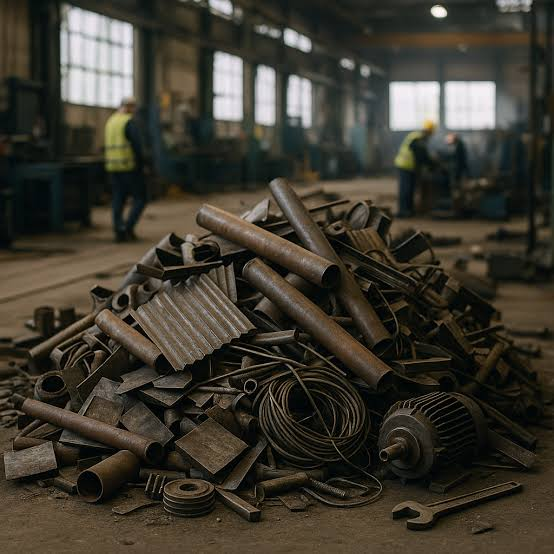
Table Of Contents
- Introduction
- Why Metal Recycling Matters
- How The Metal Recycling Process Works
- Common Sources Of Recyclable Metal
- How Recycling Supports Supply Chains
- Environmental Gains From Recycled Metal
- What Homeowners And Businesses Can Do
- Simple Sorting Tips
- Common Questions About Metal Recycling
- The Road Ahead
Metal recycling turns items that have reached the end of one useful life into material for another. From worn appliances and renovation leftovers to factory offcuts, scrap can become a valuable production input instead of taking up landfill space. For households, contractors, and manufacturers, working with a full service metal recycling center in Wisconsin can help move recoverable materials back into circulation.
That process matters because metal is durable, widely used, and often recyclable without losing the properties that make it useful. Better recovery does not eliminate the need for newly mined materials, but it can reduce waste, conserve energy, and give manufacturers another source of feedstock when demand or transportation conditions change.
Why Metal Recycling Matters
Unlike many disposable materials, metal usually retains substantial value after its first use. Steel, iron, aluminum, copper, brass, and similar materials can be collected, sorted, processed, and supplied to mills, foundries, and manufacturers. Recycling helps keep those resources in use while reducing the amount of raw ore that must be extracted and processed.
The energy benefit can be significant, especially for aluminum. In some production settings, recycled aluminum can require about 95 percent less energy than primary production from raw materials. The exact result depends on the metal, facility, transportation distance, and the condition of the scrap, but the basic principle remains the same: recovered material can reduce the work required to make new products.
How The Metal Recycling Process Works
Metal follows a practical series of steps after it leaves a home, worksite, or production floor:
- Collection: Scrap is gathered from households, businesses, demolition projects, and manufacturing operations.
- Inspection: Loads are checked for trash, fluids, hazardous items, and attached nonmetal materials.
- Sorting: Material is separated by metal type, grade, size, and condition.
- Processing: Equipment may shear, crush, bale, shred, or cut scrap into manageable pieces.
- Preparation: Processed metal is shipped as feedstock for new manufacturing.
One important distinction is between ferrous and non-ferrous metals. Ferrous materials, including iron and steel, are magnetic in most cases. Non-ferrous materials, such as copper, aluminum, and brass, are generally not magnetic and often require separate sorting. Cleaner, well-separated loads are usually safer to process and easier to market.
Common Sources Of Recyclable Metal
Recoverable metal appears in more places than many people realize. Common examples include old appliances, aluminum cans, copper wire, plumbing pipe, steel framing, machinery components, automotive parts, commercial shelving, construction offcuts, and renovation debris. A single can or pipe fitting may seem minor, but a consistent stream of similar material can become a meaningful source of recovery over time. Additionally, when decommissioned or non-drivable vehicles need to be moved from regional auto yards directly to metal recovery plants, utilizing specialized Car Shipping Chicago services ensures that scrap cars are transported efficiently into the recycling pipeline.
How Recycling Supports Supply Chains
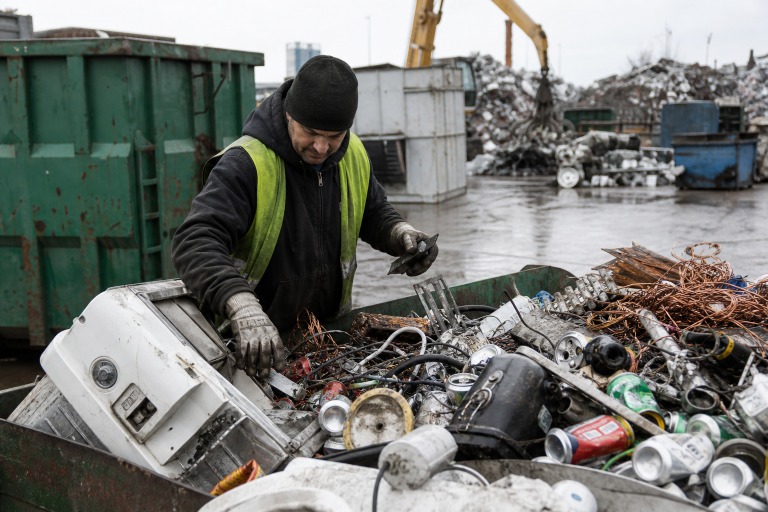
Recycling is not only a disposal alternative. It is also part of the material supply chain. Local collection and processing can keep usable metal closer to manufacturers, create another feedstock option, and reduce the amount of recoverable material lost to disposal. For businesses that generate regular scrap, organized recovery can improve visibility into what is being wasted and what still has value.
Still, recycling does not eliminate all risks. Scrap prices, contamination, freight costs, energy costs, processing capacity, and manufacturer demand can all affect outcomes. A strong recycling program is best viewed as one useful part of a broader plan for cost control, waste reduction, and supply resilience.
Environmental Gains From Recycled Metal
When recycling replaces some primary production, it can reduce demand for mining, ore processing, and disposal space. It can also lower energy use and related emissions, particularly when material is sorted efficiently and routed to appropriate processors. The process of collecting and processing discarded materials into new products also supports a more circular approach to resource use.
Benefits vary by situation. A clean local load may have a better overall outcome than a mixed load that requires extensive processing or long-distance transport. Contamination matters as well, since wood, plastic, soil, insulation, and other attached materials can complicate recovery.
What Homeowners And Businesses Can Do
For Homeowners
- Set aside metal during garage cleanouts, moving projects, and remodeling work.
- Separate copper, brass, aluminum, and steel when practical.
- Ask about requirements for appliances, sharp materials, large items, and batteries.
- Keep heavy items out of ordinary curbside bins unless local rules specifically allow them.
For Businesses
- Track scrap generated by departments, jobs, or product lines.
- Place clearly labeled collection containers near work areas.
- Train employees to remove obvious trash and non-metal contamination.
- Maintain pickup schedules and weight records to monitor progress.
Simple Sorting Tips
- Remove loose trash, cardboard, wood, and soil whenever possible.
- Keep aluminum separate from iron and steel.
- Separate copper and brass from mixed metal loads when practical.
- Group wire, pipe, appliances, and sheet metal by general material type.
- Check for fluids, chemicals, pressurized containers, and other hazards before transport.
- Use gloves, eye protection, and safe lifting methods when handling scrap.
Perfect identification is not required for every item. Basic separation, honest communication about uncertain materials, and safe handling can make the process smoother for everyone involved.
Common Questions About Metal Recycling
Can All Metal Be Recycled?
Most common metals can enter a recycling stream, but coatings, electronics, fluids, insulation, and attached hazardous components may require special handling.
Why Does Metal Type Matter?
Each metal has different processing needs and market value. Sorting reduces contamination and helps preserve the usefulness of recovered material.
Do Small Amounts Of Scrap Matter?
Yes. Individual loads can be modest, but participation from many households and businesses adds up to a reliable material stream.
The Road Ahead
Metal recycling connects everyday cleanup with industrial production. When homeowners sort old items, contractors separate job-site material, and manufacturers recover production scrap, useful resources get another path into the economy. Better sorting, safe handling, and dependable collection can help cut waste while supporting a more practical and resilient supply chain.