Color, Texture, and Style: Designing a Picture-Perfect Garden
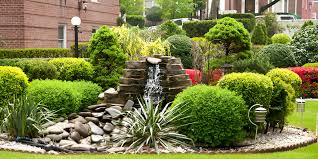
A truly beautiful garden appeals to more than just the sense of smell; it is a visual masterpiece. While healthy plants are the foundation, the artful arrangement of these plants is what transforms a simple yard into a stunning landscape. Designing a picture-perfect garden involves thinking like an artist, using color, texture, and style to create harmony and interest. By learning to layer these elements, you can elevate your outdoor space from a collection of plants to a cohesive and captivating retreat.
This guide will walk you through the core principles of garden design, helping you use color theory, textural contrast, and stylistic elements to create a garden that looks professionally designed.
Weaving a Tapestry of Color
Color is often the first thing people notice in a garden. It sets the mood and can make a space feel larger, cozier, vibrant, or serene. A thoughtful color strategy is essential for creating a powerful visual impact.
Understanding the Color Wheel
You do not need to be an expert in color theory, but knowing the basics helps.
- Complementary Colors: Hues opposite each other on the color wheel (like purple and yellow or blue and orange) create high contrast and energy. Use them to make specific areas pop.
- Analogous Colors: Colors next to each other on the wheel (like blue, violet, and purple) create a harmonious and calming effect. This approach is excellent for creating a peaceful corner.
- Monochromatic Schemes: Using different shades and tints of a single color provides a sophisticated and unified look. A garden filled with various tones of white, for example, can be breathtaking.
Applying Color Year-Round
A common design pitfall is planning for only one season. To maintain visual interest, select plants that offer color at different times of the year. Consider spring bulbs, summer perennials, autumn foliage, and the winter interest provided by evergreen foliage or colorful bark.
Creating Depth with Texture
Texture adds a tactile and visual dimension that color alone cannot provide. It is the surface quality of a plant’s leaves, flowers, and stems. Combining different textures prevents a garden from looking flat and creates a rich, layered appearance.
The Power of Contrast
The key to using texture effectively is contrast. Pair plants with opposite textures to make each one stand out.
- Fine vs. Coarse: Place delicate, airy ferns next to plants with large, bold leaves like hostas. The contrast highlights the unique qualities of both.
- Smooth vs. Spiky: The smooth, waxy leaves of a succulent look striking when planted near the sharp, upright blades of ornamental grass.
- Glossy vs. Matte: A plant with shiny leaves will catch the light differently than one with a soft, matte finish, adding subtle complexity.
Beyond the Plants
Texture is not limited to greenery. Hardscape materials and ground covers play a crucial role. Smooth river rocks, rough-hewn stone pavers, and various types of mulch all contribute to the garden’s textural palette. Using a uniform ground cover like small bark nuggets in Salt Lake City or your local area can provide a consistent backdrop that makes plant textures more prominent. This creates a clean, intentional look that ties the entire design together.
Defining Your Garden’s Style
Style is the unifying theme that brings all the elements together. It provides a framework for your plant and material choices, ensuring the final result feels cohesive rather than chaotic.
Establishing Focal Points
Every great design has a focal point—a dominant feature that draws the eye and anchors the space. This could be a striking specimen tree, a beautiful sculpture, a water feature, or a brightly colored bench. Once you have a focal point, you can design the surrounding areas to support and complement it.
Creating Structure with Paths and Borders
Pathways do more than just guide foot traffic; they create “bones” for the garden. The lines of a path, whether curved or straight, influence how the space is perceived. Curved paths can make a garden feel more natural and expansive, while straight lines offer a formal, organized look. Borders and edging clearly define planting beds from lawns or walkways, giving the garden a crisp, well-maintained appearance.
Conclusion
Designing a picture-perfect garden is an ongoing process of creativity and curation. By thoughtfully combining color, contrasting textures, and defining a clear style, you can craft a space that is both personal and visually stunning. Start by identifying a color palette you love, then look for opportunities to introduce textural variety. Finally, use structural elements like paths and focal points to give your design purpose and direction. With these principles in mind, you can create an outdoor sanctuary that is beautiful in every season.