Building Strong: The Role of Marine-Grade Custom Castings in Coastal Projects
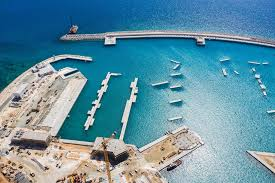
Coastal engineering is a crucial sector that faces complex challenges such as coastal erosion, sea-level rise, and extreme weather events. To mitigate these challenges, it is essential to employ the best materials and technologies in the construction of coastal structures. One critical component of these structures is the use of marine-grade custom castings, which provides the necessary resilience and durability required for the harsh maritime environment.
The Importance of Marine-Grade Materials
Coastal projects demand materials that can withstand the aggressive saltwater environment and the mechanical stresses imposed by wave action. Marine-grade materials are specifically designed to resist corrosion and provide long-term structural integrity. Custom castings fabricated from these materials are an integral part of coastal engineering solutions, from supporting breakwaters and jetties to reinforcing docks and sea walls.
Advantages of Custom Castings in Coastal Environments
Custom castings allow engineers to tailor the components to the unique requirements of each project. The flexibility to customise shapes and sizes means that each casting can be optimised for performance and cost efficiency. Additionally, by using engineered casting solutions for coastal projects, specific considerations such as load-bearing capacities and attachment points can be precisely incorporated into the design.
Focusing on Durability and Strength
Marine-grade castings are manufactured to be robust, ensuring that they can support substantial loads and resist wear over time. These properties are essential in maintaining the integrity of coastal infrastructure, particularly in regions that are prone to severe storms and high tides. The use of quality materials extends the lifespan of projects while reducing the need for frequent maintenance and repairs.
The Role of Expertise in Marine Castings
Creating effective marine castings requires a high level of expertise and understanding of coastal engineering demands. Companies like FC Casting Solutions specialise in providing custom solutions that meet the stringent requirements of marine construction. Their expertise ensures that each casting is fit for purpose and meets the highest industry standards.
Innovative Design and Engineering
Innovative design is at the heart of marine-grade custom castings. Engineers use advanced simulation tools to model the effects of marine conditions, such as hydrodynamic forces and material fatigue, to refine their designs. By doing so, they can predict how castings will perform under real-world conditions, leading to safer and more reliable coastal structures.
Enhancing Coastal Protection
Coastal erosion and flooding pose significant risks to infrastructure and ecosystems. Marine-grade castings are utilised in protective measures like seawalls, revetments, and wave attenuators. These structures absorb the energy of waves and tides, safeguarding the coastlines and the communities that live nearby.
Collaboration in Coastal Engineering
Successfully incorporating custom castings into coastal projects often involves collaboration between engineers, casting manufacturers, and construction teams. This multidisciplinary approach ensures that designs are practical to manufacture and install, while still achieving the necessary performance criteria. It also facilitates innovation as teams work together to solve complex engineering challenges.
Environmental Considerations
Marine-grade castings must not only be strong and durable but also environmentally responsible. In coastal projects, there is a critical balance between development and preserving natural habitats. Castings can be designed to have minimal impact on marine life and coastal ecosystems, while still providing robust structural support.
Quality Assurance and Testing
Quality assurance plays a pivotal role in the use of marine-grade castings. Rigorous testing protocols are implemented to ensure that each casting meets strict standards before being deployed in a project. This includes material composition analysis, structural testing, and exposure to simulated marine environments to confirm corrosion resistance.
Future of Coastal Engineering
The future of coastal engineering is likely to see increased reliance on marine-grade custom castings. As sea-level rise and climate change continue to present new challenges, the durability and customisability of these components make them an attractive choice for adaptive coastal management strategies. Innovations in materials science and engineering design will further enhance the capabilities of custom castings in protecting our coastlines.
Case Studies and Success Stories
Examining successful coastal projects that have employed marine-grade castings offers valuable insights into best practices and the benefits of custom solutions. Many of these projects serve as benchmarks for future developments, showcasing how engineered castings have provided effective defence against coastal erosion and extreme weather events.
Final Thoughts
Marine-grade custom castings are essential in building strong, resilient coastal infrastructure. Their ability to meet the specific challenges of maritime environments, combined with the expertise of specialised companies such as FC Casting Solutions, ensures they will continue to play a vital role in coastal engineering projects worldwide. With ongoing innovation and collaboration, the coastal communities and ecosystems will be better protected for generations to come.