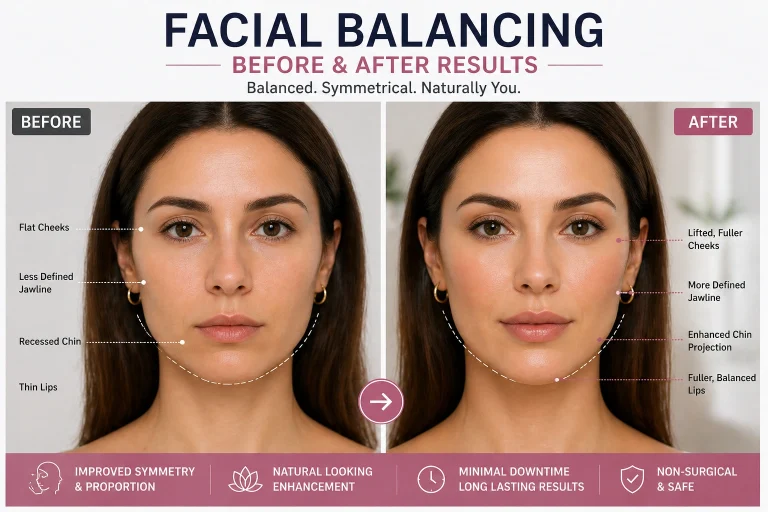
Before and After Palate Expander: Real Results, Timeline, and What to Expect

When people search for “before and after palate expander,” they are usually trying to understand one thing. What actually changes, and is it worth it?
A palate expander is part of Orthodontic Treatment that focuses on widening the upper jaw to improve spacing, alignment, and overall function. The transformation is not instant, and the process can look unusual in the middle stages, especially when visible gaps appear.
This guide walks you through the full journey. You will see what your teeth look like before treatment, what happens during expansion, and what results to expect after everything settles.
What a Palate Expander Actually Does

A palate expander is a dental appliance designed to widen the upper jaw, also known as the maxilla. It works by applying steady pressure that gradually separates the two halves of the upper jaw over time.
This process is called Palatal Expansion, and it is commonly used to correct structural issues rather than just cosmetic ones.
Instead of forcing teeth into position, the device creates space first. This makes later alignment easier and more stable.
In simple terms, the expander widens the upper jaw, creates space for crowded teeth, corrects bite alignment issues such as crossbite, and supports proper jaw development.
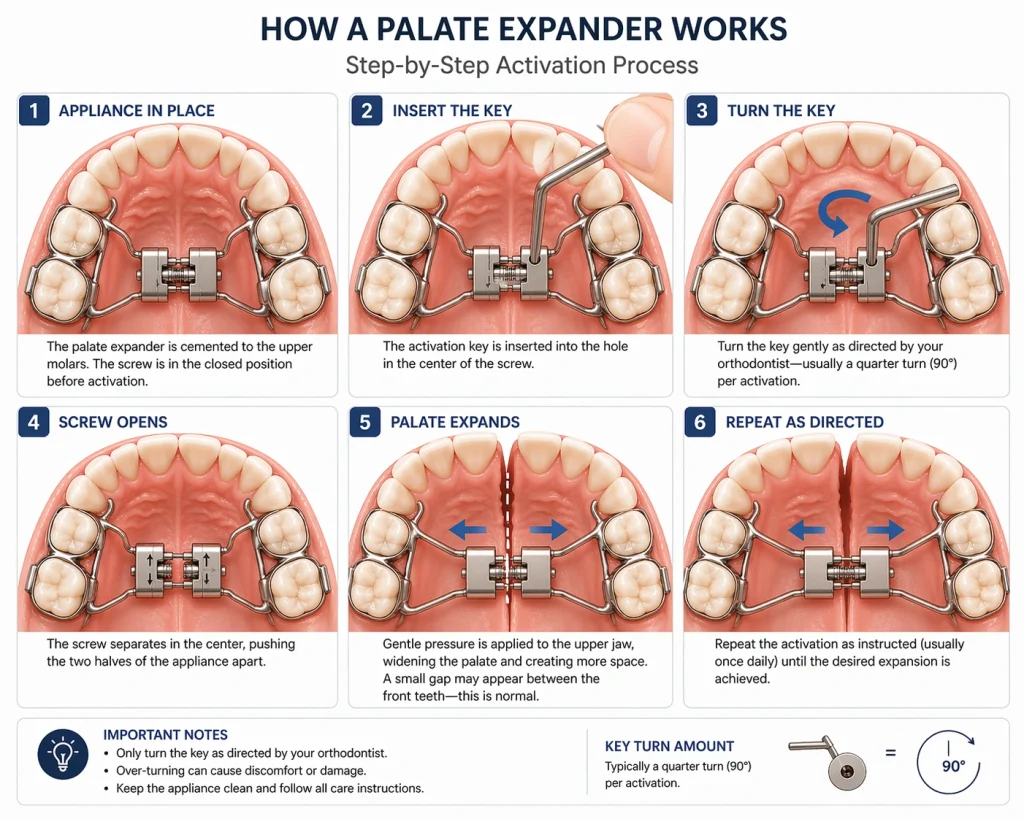
Most devices use a small screw mechanism in the center. Patients or caregivers turn this screw regularly using a key. Each turn applies gentle pressure, which gradually expands the bone structure.
Before and After Palate Expander Results
The results are not just about straighter teeth. The change begins at a structural level and then reflects in appearance.
Before Treatment Condition
Before treatment, many patients have limited space in the upper jaw. This often leads to crowding, overlapping teeth, or a narrow dental arch.
Common signs include crowded or rotated teeth, a narrow upper jaw shape, crossbite where upper teeth sit inside lower teeth, and difficulty with proper bite alignment.
In many cases, the issue is not the teeth themselves but the lack of space for them to align correctly.
After Treatment Results
After expansion, the upper jaw becomes wider and more balanced. This creates the foundation needed for proper alignment and bite correction.
You will typically notice increased space between teeth, improved alignment over time, corrected bite positioning, and a broader, more balanced smile.
The most important shift is structural. The jaw expands, allowing teeth to move into better positions naturally or with further orthodontic support.
Palate Expander Process and What Happens During Treatment
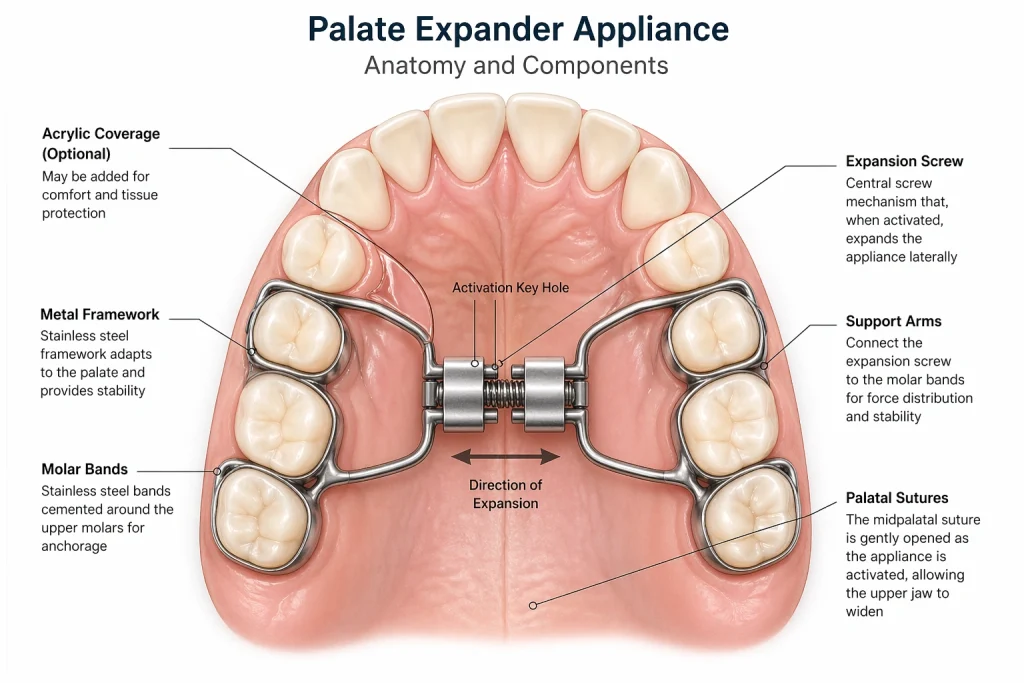
The process happens in stages, and this is where most people feel uncertain. The changes are visible and sometimes surprising, but they are a normal part of the treatment.
At the beginning, the device is fitted by an Orthodontist and secured on the upper teeth. After placement, patients follow a routine of turning the expansion key as instructed.
Each adjustment applies controlled pressure that gradually widens the jaw.
Mid-Treatment Gap Between Front Teeth
One of the most noticeable changes is the gap that forms between the front teeth. This is often the stage that concerns patients the most.
The gap appears because the two halves of the upper jaw are separating. As the bone expands, the teeth move apart temporarily.
This is a normal and expected part of Rapid Palatal Expansion. The gap usually closes later, either naturally or with braces.
Mechanism of Jaw Expansion
The device uses a central screw mechanism. When turned, it pushes outward against the upper molars. This force is transferred to the jawbone, encouraging gradual expansion.
Because the process is slow and controlled, the body adapts by forming new bone in the expanded area. This ensures long-term stability.
Timeline of Expansion Stages
The timeline varies depending on age and treatment goals, but most cases follow a similar structure.
The active expansion phase usually lasts a few weeks. After that, the device remains in place for several months to stabilize the new structure.
This stabilization phase is essential, as it allows the bone to solidify and prevents relapse.
Timeline for Before and After Results

Most visible changes begin within the first few weeks, especially the formation of spacing between teeth. However, the complete transformation takes longer.
The expansion phase is relatively short, but the full process, including stabilization and alignment, can take several months.
Final results often depend on whether additional orthodontic treatment, such as braces, is used afterward.
Types of Palate Expanders and Differences in Results
Different types of expanders are used depending on the patient’s age and treatment needs. The type chosen can influence both the process and the final outcome.
Rapid Palatal Expander (RPE)
The Rapid Palatal Expander is the most commonly used device. It is fixed in place and designed to create noticeable expansion within a shorter time.
It is most effective in children and teenagers because their jaw is still developing.
Removable Palatal Expander
Removable expanders are used for minor corrections. They offer flexibility but require consistent use.
Because they apply less force, the results are usually slower and less significant compared to fixed expanders.
Palate Expansion in Adults
In adults, the upper jaw is fully developed, which makes expansion more complex. In some cases, additional procedures may be required.
Even so, expansion is still possible, but the approach differs from younger patients.
Pain, Discomfort, and Adjustment Experience
Most patients worry about pain before starting treatment. In reality, the experience is more about pressure than sharp pain.
During the first few days, the expander feels unusual. There is a sense of tightness in the upper jaw, especially after each adjustment. This happens because the device is actively applying force to widen the bone structure.
Mild discomfort is common, but it usually fades as the mouth adapts. Some patients also notice temporary speech changes or increased saliva. These effects settle within a short period once the tongue adjusts to the appliance.
Consistency plays a key role here. When adjustments are done as instructed, the process remains controlled and manageable.
Learn More: Red Dress Run New Orleans
Benefits Beyond Before and After Results
While most people focus on visible changes, the benefits go deeper than appearance. A palate expander improves both structure and function.
One of the main advantages is better alignment. By creating space early, it reduces crowding and makes future orthodontic treatment more effective. It also helps correct bite issues such as crossbite, which can affect chewing and long-term dental health.
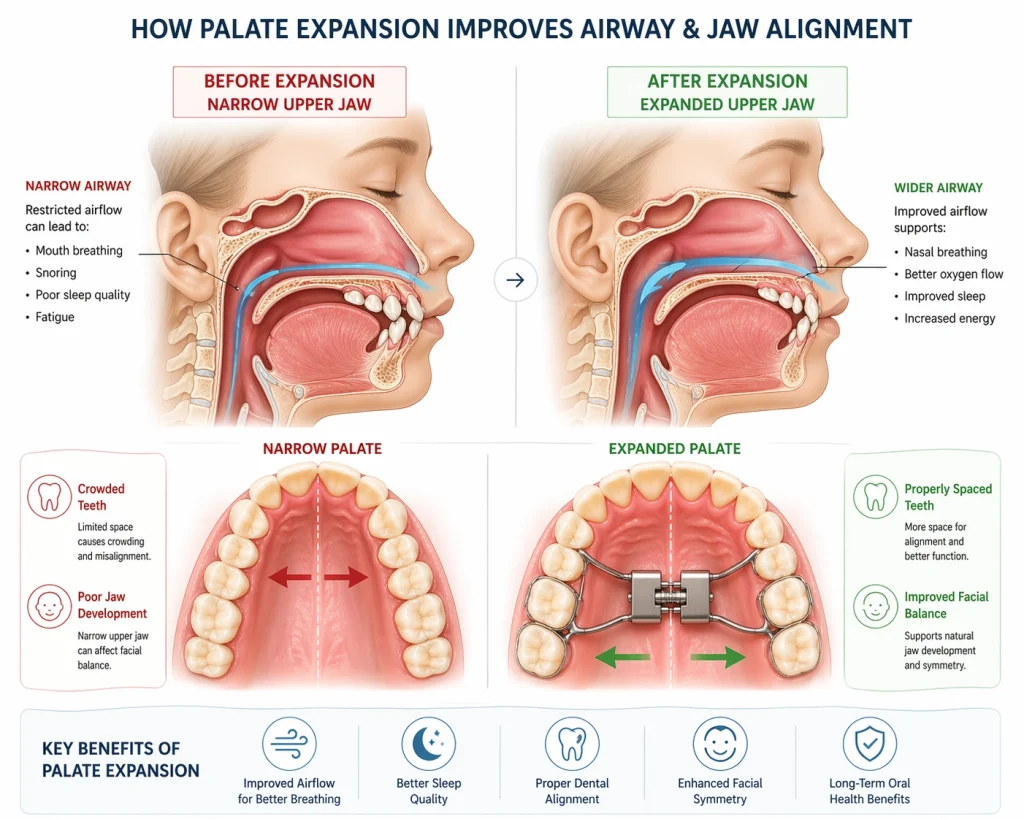
Another important benefit is improved airflow. In some cases, expanding the upper jaw can create more space in the nasal passage, which may support better breathing.
There are also subtle changes in facial balance. A wider upper jaw can support better symmetry, especially in growing patients.
Overall, the treatment supports long-term stability rather than temporary cosmetic fixes.
Risks and Side Effects to Be Aware Of
Like any orthodontic procedure, palate expansion comes with a few manageable side effects.
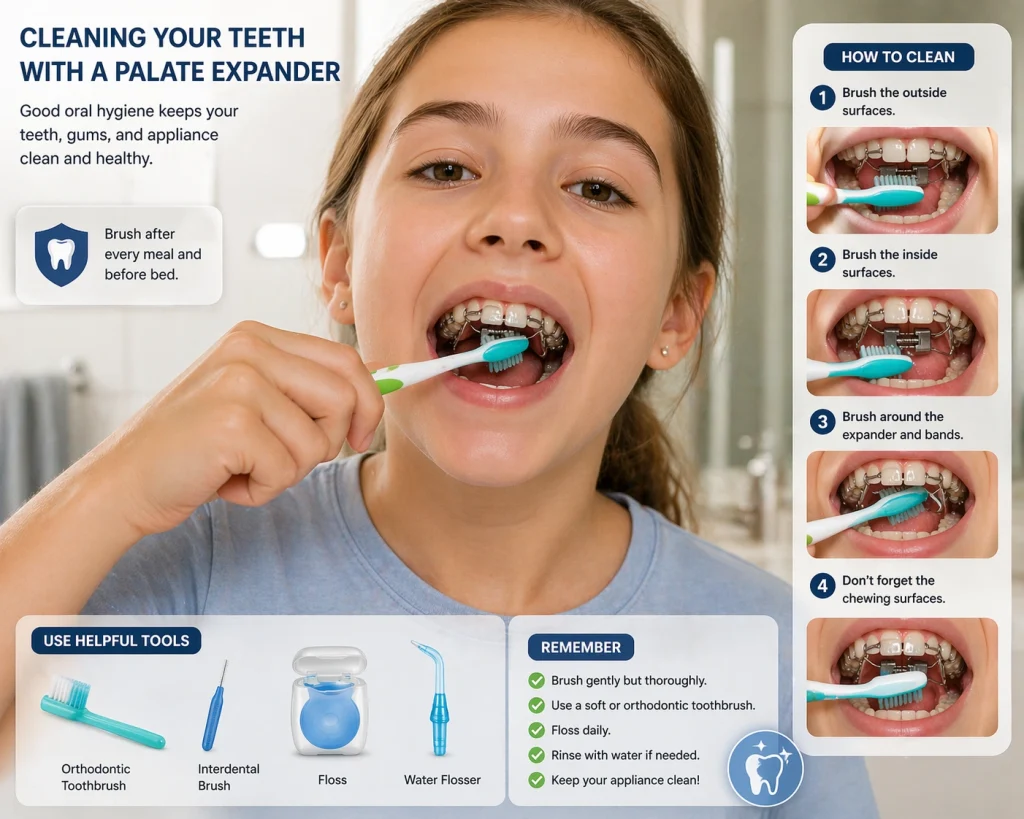
The most common issue is food getting trapped around the appliance. Because the device sits across the upper teeth, it creates small spaces where debris can collect. This makes oral hygiene especially important during treatment.
Some patients experience mild gum irritation or sensitivity, particularly in the early stages. This usually improves as the mouth adapts.
Speech changes can also occur, especially in the beginning. A slight lisp is normal and temporary.
More serious complications are rare when the treatment is monitored by an Orthodontist. Regular check-ups ensure that the device is functioning correctly and adjustments are progressing as planned.
What Happens After the Expander Is Removed
The removal of the expander does not mark the end of treatment. It marks the transition into the next phase.
Once the desired expansion is achieved, the device is removed after a stabilization period. At this stage, the jaw has widened, but the teeth may still need alignment.
In many cases, braces or aligners are used afterward to guide the teeth into their final positions. The gap that formed during expansion gradually closes during this phase.
Retention is also important. The bone needs time to fully stabilize, and this ensures that the results remain consistent over time.
Ideal Candidates for a Palate Expander
Treatment outcomes depend heavily on timing and individual structure.
Palate expanders are most effective in children and teenagers because their jaw is still developing. The expansion process works more naturally during these years, and results tend to be faster and more stable.
Adults can still undergo expansion, but the approach is different. Because the bone is fully developed, treatment may require additional support or specialized techniques.
An evaluation by an orthodontic specialist helps determine whether this treatment is suitable based on age, jaw structure, and alignment needs.
Frequently Asked Questions
What does a palate expander do before and after treatment?
Before treatment, it addresses issues like crowding and a narrow upper jaw. After treatment, it creates more space, improves alignment, and supports a balanced bite.
How long does it take to see palate expander results?
Initial changes can appear within a few weeks, especially spacing between teeth. Full results usually take several months, including stabilization and alignment.
Is the gap between front teeth permanent?
No, the gap is temporary. It forms during expansion as the jaw widens and usually closes naturally or with braces afterward.
Does a palate expander hurt?
It typically causes pressure rather than pain. Discomfort is mild and temporary, especially during the early stages of treatment.
Can adults use a palate expander?
Yes, but the process is more complex. Adults may require different techniques since the jaw is fully developed.
Do you need braces after a palate expander?
In many cases, yes. The expander creates space, and braces or aligners are used to position the teeth properly afterward.
How do you clean a palate expander?
Cleaning involves regular brushing around the appliance and rinsing after meals. Maintaining good oral hygiene prevents buildup and irritation.
Final Takeaways
A before and after palate expander transformation reflects a structural change, not just a cosmetic one. The process widens the upper jaw, creates space, and improves alignment in a controlled way.
While the mid-treatment phase may look unusual, especially with temporary gaps, the final outcome is more balanced and functional. With proper guidance and consistency, the treatment delivers long-term improvements in both appearance and oral health.