When to Schedule Commercial Roof Repair in San Diego
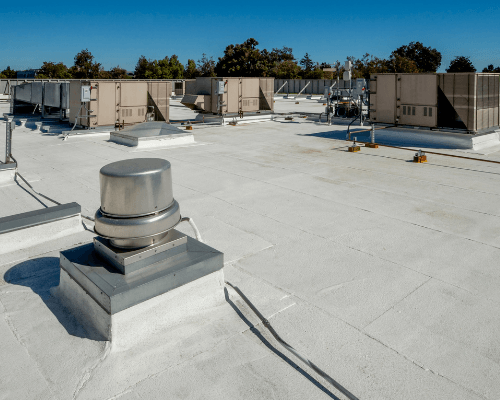
Commercial roof repair requires timely action to maintain structural stability and prevent operational disruptions. Scheduling repairs at the right time helps address developing issues before they affect the building’s interior. A clear understanding of repair timing supports consistent roof performance and reduces avoidable damage.
Property owners managing commercial roofing in San Diego need to consider seasonal conditions, material wear, and inspection findings when planning repairs. Local climate patterns, including sun exposure and occasional storms, influence how roofing systems age. Timely scheduling ensures that small concerns are resolved before they expand into larger structural problems.
How To Determine The Right Time For Roof Repairs
Identifying the correct timing depends on both visible signs and routine inspection findings. Even minor concerns can indicate deeper structural stress.
Warning Signs That Should Not Be Ignored
- Loose or damaged flashing around vents and edges
- Small cracks or splits forming on the surface membrane
- Damp insulation was detected during the inspection
- Rising indoor humidity linked to roof leaks
Each of these signs points to areas where water intrusion or material failure may develop. Acting on these indicators prevents further spread of damage.
Inspection-Based Scheduling
Routine inspections help detect issues that are not visible from the ground. Professional evaluations sometimes reveal seam separation, trapped moisture, or early-stage deterioration. Scheduling repairs immediately after inspection findings keeps the roof in a stable condition.
Seasonal Timing For Efficient Repair Work
San Diego’s climate allows flexibility, but certain times of the year support more effective repair outcomes. Planning work around weather patterns improves durability and reduces delays.
Best Periods For Planned Repairs
- Late spring offers dry conditions and moderate temperatures
- Summer provides consistent weather for sealing and coating work
- Early fall allows completion before seasonal moisture increases
These periods ensure proper adhesion of materials and reduce the risk of weather-related interruptions.
Post-Weather Assessment Timing
After periods of rain or strong winds, roofs should be inspected for hidden damage. Water exposure can weaken seams and create small leaks that expand over time. Mid-cycle evaluations for commercial roofing in San Diego help catch these issues early and maintain structural stability.
Why Delaying Repairs Can Lead To Larger Problems
Postponing repairs allows minor defects to expand into more serious concerns. Small cracks or loose seams can let moisture enter, which then spreads through insulation and underlying layers. Over time, this weakens structural components, reduces energy efficiency, and increases the overall repair scope and cost.
Delayed action may lead to:
- Interior damage affecting ceilings and walls
- Increased energy costs due to compromised insulation
- Safety risks from weakened roof sections
Addressing repairs at the right time helps avoid these complications and keeps maintenance predictable.
How Certified Roofing Technicians Ensure Timely Commercial Repairs
Certified roofing technicians use systematic inspections to identify early damage, assess repair urgency, and schedule work based on actual roof conditions. Their use of proper materials, code-compliant methods, and accurate diagnostics ensures repairs are completed efficiently and hold up under local weather exposure.
Scheduling commercial roof repair in San Diego requires attention to both timing and condition. Clear warning signs, routine inspections, and seasonal planning all play a role in maintaining roof performance. Timely repairs protect the building, support daily operations, and reduce long-term maintenance challenges.