Is It Time to Tear It Down? The Case for House Demolition
Some buildings age gracefully. Others just age. If you’ve been holding onto a property that’s costing more to maintain than it’s worth, you might already sense the answer—but getting there can feel like a big leap. House demolition isn’t just about knocking things down. It’s about clearing the way for something better, and knowing when that moment has arrived.
At HeavenScape, we’ve worked with homeowners, investors, and developers who’ve all reached the same crossroads: repair or remove? The answer isn’t always obvious, but it’s almost always consequential. This post breaks down the real reasons people choose demolition, what makes it worth the investment, and why professional execution matters more than most people expect.
When Repair Stops Making Sense
There’s a threshold every aging property eventually crosses. On one side, renovation is reasonable—costly, maybe, but worthwhile. On the other side, you’re pouring money into a structure that’s fundamentally compromised.
A few clear signs that demolition may be the smarter path:
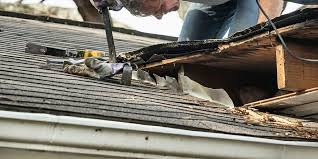
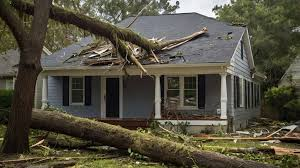
- Structural damage that runs deep. Foundation issues, severe rot, or termite damage that has spread through load-bearing elements can make a building unsafe to occupy and expensive to fix. When repair costs approach or exceed the value of the property, the math starts telling a different story.
- Repeated flood or fire damage. A home that has sustained serious water or fire damage more than once often has hidden problems—mold, weakened framing, compromised electrical systems—that aren’t fully visible until walls come down.
- Outdated construction that can’t be modernized. Some older homes were built to standards that simply can’t accommodate modern plumbing, electrical, or insulation requirements without a near-complete rebuild. At that point, you’re essentially building new inside an old shell.
- Code violations that are too extensive to address. When a property has accumulated too many compliance issues, bringing it up to code can be more disruptive—and more expensive—than starting fresh.
None of these situations is a failure. They’re signals. And recognizing them early can save you years of patching problems that keep coming back.
The Real Value of a Clean Slate
House demolition often gets framed as a loss—the end of something. But for most property owners who go through the process, it feels more like relief.
Clearing a site creates tangible opportunities that weren’t possible before. A vacant lot in a desirable location is an asset. It can be sold, developed, or rebuilt to suit current needs, building codes, and energy standards. New construction is also far easier to insure, finance, and sell than heavily renovated older homes with complex histories.
There’s also the matter of ongoing costs. An uninhabitable or deteriorating structure still attracts property taxes, maintenance obligations, and liability exposure. Demolishing it removes those carrying costs and replaces uncertainty with a clear, usable asset.
For investors and developers, this equation is especially clear. A site cleared professionally—with proper permits, utility disconnections, and waste disposal—is ready to move forward. Delays and complications at the demolition stage have a way of cascading into the rest of the project timeline.
Why Professional House Demolition Is Non-Negotiable
Demolition looks straightforward from a distance. In practice, it involves a significant amount of coordination, regulatory compliance, and technical knowledge. Getting it wrong isn’t just inconvenient—it can be dangerous and costly.
Permits and Local Compliance
Every demolition project requires permits, and the requirements vary by location. A licensed demolition contractor understands what’s needed, handles the applications, and ensures the work meets local codes. Skipping this step can result in fines, stop-work orders, or complications when you try to build or sell later.
Hazardous Material Management
Homes built before the 1980s frequently contain asbestos, lead paint, or other hazardous materials. These can’t simply be torn out and hauled away—they require testing, careful removal, and disposal through approved channels. Professional demolition teams are trained and equipped to handle this safely, protecting both workers and neighboring properties.
Utility Disconnection
Before any structure comes down, all utilities—gas, electricity, water, and sewer—must be properly disconnected. This isn’t just a procedural step. An improperly capped gas line or live electrical connection on a demolition site is a serious hazard. Licensed contractors coordinate with utility providers to ensure everything is safely shut off before work begins.
Selective vs. Full Demolition
Not every project calls for tearing down an entire structure. Sometimes the goal is to remove a specific section—an addition, a deteriorating wing, or an attached garage—while preserving the rest of the home. This is called selective or partial demolition, and it requires precision. Removing part of a structure without destabilizing what remains takes both planning and expertise.
Waste and Recycling
A standard house demolition generates a significant volume of material. Professional contractors sort and dispose of this responsibly, often salvaging materials like timber, brick, or metal for recycling. This reduces landfill impact and, in some cases, offsets costs through material recovery.
What the Process Actually Involves
While this isn’t a step-by-step guide, it helps to understand what you’re signing up for before the project begins.
The process typically starts with a site assessment and consultation. A reputable contractor will evaluate the structure, identify any hazardous materials, and provide a clear scope of work and timeline. Permits are obtained before any physical work begins.
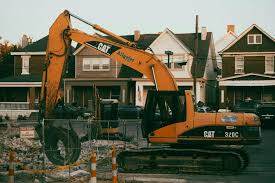
Once the site is ready, the actual demolition can move quickly—often completed within a day or two for a standard residential property, depending on size and complexity. Debris is removed, and the site is graded and cleared, leaving it ready for whatever comes next.
Throughout the process, communication matters. A good demolition contractor keeps you informed about timelines, any unexpected discoveries, and next steps. The goal isn’t just to clear the site—it’s to hand it back to you in a condition that moves your project forward.
Choosing the Right Demolition Partner
House demolition is not a commodity service. The cheapest quote doesn’t always reflect the full scope of work, and corners cut during demolition have a way of surfacing as expensive problems later.
When evaluating contractors, look for:
- Proper licensing and insurance. This protects you if something goes wrong on-site.
- Experience with residential projects. Commercial and residential demolition have different requirements; you want a team that knows the specifics of your type of project.
- Transparent quoting. A detailed quote that breaks down labor, permits, disposal, and any hazmat work is a good sign. Vague pricing is not.
- References and reviews. Past clients can tell you a lot about how a contractor communicates, handles unexpected issues, and delivers on commitments.
At HeavenScape, we bring all of this to every project. Our team handles everything from permits and hazmat assessment to final site clearance, so you’re not left managing the pieces.
The Decision That Opens the Door
House-demolition provides property owners with a decisive path forward when a structure has reached the point where repairs are no longer practical. By removing unsafe or deteriorating buildings, homeowners gain a clean, usable site that eliminates ongoing maintenance costs, reduces liability risks, and opens the door to new construction or profitable land sales. House demolition is rarely anyone’s first choice. Most property owners reach that point only after exploring every alternative or when the condition of the structure leaves no realistic options. Yet those who move forward often discover a sense of clarity that comes with a fresh start—the freedom to rebuild, repurpose the land, or simply stop investing in a property that no longer serves their goals. With proper planning and an experienced team overseeing the work, the entire process can be completed safely, efficiently, and with minimal disruption to the surrounding area.
If you’re weighing that decision right now, HeavenScape is ready to help you think it through. Reach out for a site assessment and find out what’s actually possible once the old structure is out of the way.