Essential Guide to Stage Truss Systems
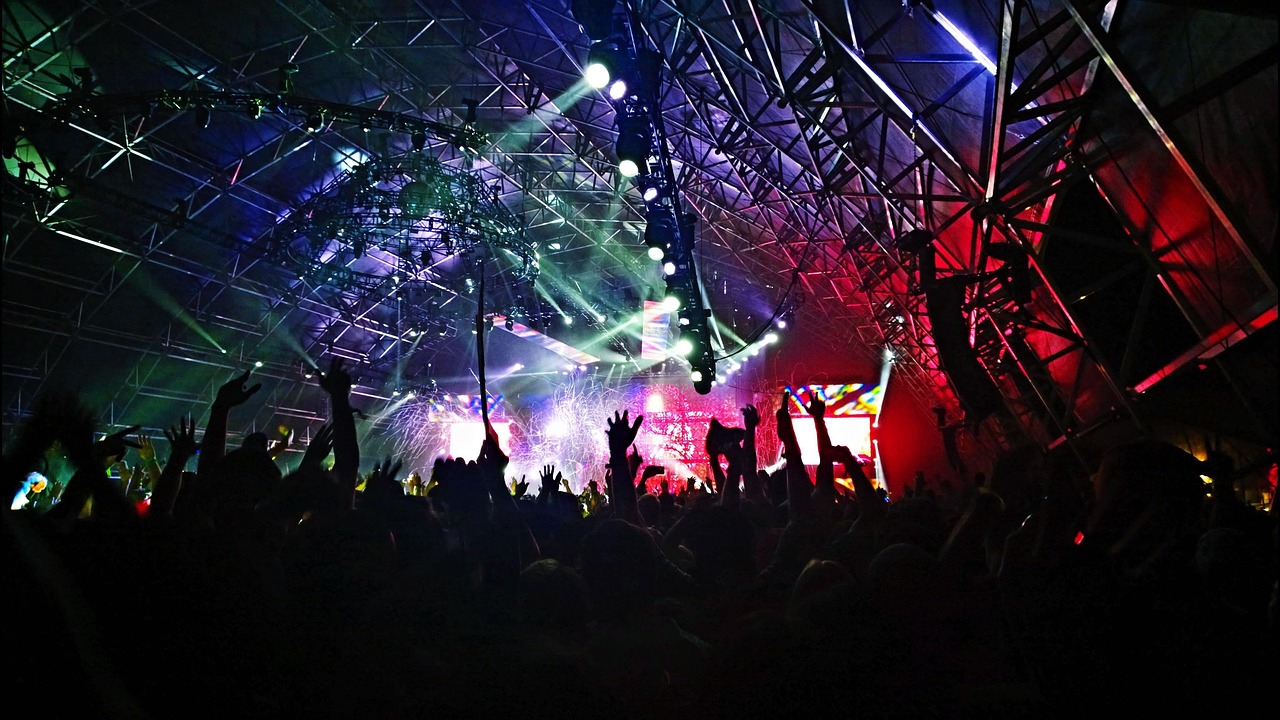
Stage truss systems are fundamental components in the planning and execution of live events, concerts, theatre productions, and exhibitions. Their primary purpose is to provide a robust framework for supporting lighting, sound equipment, and scenic elements. Understanding the different types, materials, and configurations of stage truss is essential for event organisers, production companies, and venue operators to ensure safety, functionality, and aesthetic appeal.
What Is a Stage Truss?
A stage truss is a modular framework, typically constructed from aluminium or steel, designed to hold various equipment above performance areas. It offers a strong, lightweight, and versatile support structure that can be assembled into different shapes and sizes to accommodate specific event requirements.
Common Applications of Stage Truss Systems
Stage truss is extensively used in several settings including concerts, theatre stages, corporate events, trade shows, and television productions. It supports lighting fixtures, loudspeakers, projection screens, banners, and other technical elements necessary for event production.
Advantages of Using Stage Truss
The popularity of stage truss systems is largely due to their flexibility and durability. The components are designed to interlock securely, allowing quick assembly and disassembly. Additionally, aluminium truss is lightweight, which aids transportation and reduces labour costs.
Materials Used in Stage Truss Construction
Stage truss systems are primarily constructed from aluminium and steel. Aluminium truss is the most common due to its favourable strength-to-weight ratio, corrosion resistance, and ease of handling. Steel truss, while heavier, offers increased load-bearing capacity and is chosen for more demanding applications.
Choosing the appropriate material depends on factors such as the event scale, environmental conditions, and budget. For outdoor events exposed to weather elements, corrosion-resistant materials or coatings are essential to maintain safety and longevity.
Types of Stage Truss Designs
There are several designs of stage truss, each serving particular structural needs. The most common are:
- Triangular Truss: Features a triangular cross-section and is favoured for high-load applications and long-span coverage.
- Square or Box Truss: Has a rectangular cross-section providing a more stable platform for lighting and camera equipment.
- Flat Truss: Typically used where height restrictions apply, providing a slim profile while maintaining strength.
Modular Design and Customisation
One of the defining characteristics of a stage truss system is its modular design. Sections can be connected to create complex configurations tailored to venue layouts and production requirements. This modular nature allows for creative staging solutions and facilitates transportation and storage.
Load Capacity and Safety Considerations
Understanding the load capacity of truss components is critical to ensuring the safety of performers, crew, and the audience. Each truss section is rated for specific loads, and exceeding these can lead to structural failure with severe consequences.
Structural engineers and rigging professionals must assess total weight, including lighting arrays, sound systems, video gear, and any decorative elements before designing the truss setup. Safety factors are incorporated to account for dynamic loads, wind conditions, and unforeseen stresses.
Installation and Rigging
Proper assembly and rigging techniques are vital for achieving a stable and safe stage environment. Professional riggers use specialised equipment and follow industry standards to erect truss systems efficiently. Regular inspections and maintenance checks are also part of operational best practices.
Integration With Other Stage Elements
Stage truss systems are frequently integrated with other structural and technical components. They may be mounted to existing venue structures or combined with stage decks, backdrops, and lighting bars. Compatibility and stability are crucial when designing these integrated systems.
Truss Lighting and Equipment Attachment
One of the primary functions of stage truss is to facilitate lighting arrangements. Trusses allow overhead mounting of moving heads, spotlights, LED fixtures, and video walls. The rigid yet lightweight nature of the truss ensures that equipment can be precisely positioned and safely secured.
Additionally, the truss system offers attachment points for sound systems, camera rigs, and scenic materials without obstructing sightlines or restricting movement on stage.
Cost Considerations for Stage Truss
Costs associated with stage truss vary according to material type, size, design complexity, and quality. Aluminium truss is typically more expensive than steel, but the long-term benefits such as reduced labour and transport expenses often justify the investment.
Rental options are available for one-off events, while permanent installations require upfront capital but provide durability and operational efficiency over time.
Environmental and Regulatory Compliance
Ensuring compliance with local regulations, building codes, and environmental standards is integral when deploying stage truss systems. This includes adherence to fire safety regulations, load ratings, and emergency procedures.
Conclusion
Stage truss systems are vital infrastructures underpinning successful live events and productions. Their versatility, strength, and modularity make them indispensable in supporting technical equipment and enhancing stage design. Understanding the types, materials, safety considerations, and integration aspects is essential for anyone involved in event production or venue management.
You may also like: How General Contractors Keep Construction Projects on Schedule
For those exploring options or seeking a reliable supplier, detailed information and quality products can be found at a reputable source such as stage truss providers specialising in industry-standard solutions.
